Spring in the Hudson Valley brings warmer weather, muddy ground, blooming plants, and an increase in outdoor activity for pets. These seasonal changes also introduce spring pet health problems that affect dogs and cats throughout Modena and the surrounding rural neighborhoods. Understanding these risks helps keep your pet safe as the season begins.
Flea, Tick, and Mosquito Activity Returns Early
When temperatures consistently rise above freezing, fleas, ticks, and mosquitoes become active again. Pets can pick up parasites along wooded trails, grassy fields, stone walls, barns, hedgerows, and areas where wildlife travel.
Tick-borne diseases seen in New York include Lyme disease, Anaplasmosis, and Ehrlichiosis. A single tick bite can transmit infection, making early-season prevention important.
Mosquitoes also return as standing water accumulates in puddles, ditches, and farm containers. A single mosquito bite can spread heartworm disease, which affects both dogs and cats. Because mosquitoes enter homes easily, indoor pets remain at risk.
Year-round parasite prevention is one of the most effective ways to protect your pet as spring begins.
Shedding and Spring Coat Changes
As winter coats begin to shed, dogs and cats naturally release more loose fur. This is especially noticeable in double-coated breeds and long-haired cats, who may develop mats or increased hairballs.
Pet owners often search how to stop dog shedding in spring. While shedding cannot be eliminated, it can be reduced with consistent care:
- Brush your pet regularly to remove loose hair
• Feed a balanced diet that supports skin and coat health
• Bathe dogs on a veterinarian-recommended schedule
• Use flea prevention to reduce itch-related shedding
• Monitor cats for hairballs or small mats along the hindquarters
• Watch for redness, bald patches, or flaky skin that may indicate a skin condition
If shedding increases suddenly or your pet’s coat seems unhealthy, a spring exam can help identify underlying issues.
Springtime Ingestion Hazards in New York
As snow melts and plant life returns, dogs and cats encounter new smells and materials outside. Several spring hazards in the Modena area can cause digestive upset or sudden illness.
Hazards in Fields, Woods, and Rural Areas
Pets exploring yards, farms, trails, or forest edges may come across:
- Deer or goose droppings
• Early mushrooms in shaded or damp areas
• Seed pods, acorns, or nuts disturbed by wildlife
• Carrion or remains left by predators
• Salt or sand residue left from winter roads
If your pet eats something you cannot identify, mushrooms, or any wildlife droppings, call the clinic immediately for guidance.
Illnesses Linked to Standing Water and Soil
Spring rain, melting snow, and muddy ground create puddles and damp areas that increase the risk of several infections for pets. Dogs and cats may be exposed when walking through, drinking from, or digging in these environments.
Leptospirosis
Leptospirosis is present in the Northeast and can appear in areas visited by wildlife such as raccoons, skunks, and deer. Dogs may be exposed by drinking from or walking through contaminated puddles or slow-moving water.
For more information, visit the CDC’s leptospirosis page for pets.
Giardia
Giardia thrives in standing water and wet soil. Pets can become infected by drinking from puddles, licking their paws after walking through wet areas, or exploring muddy ground. Giardia often causes diarrhea, soft stools, or stomach upset, especially in dogs.
For more information on preventing Giardia and how it affects pets, visit the AVMA’s Giardia resource:
https://www.avma.org/resources/pet-owners/petcare/giardia-pets
E-Coli
Bacteria such as E-Coli like wet, warm environments and are ideal places to grow. Bacteria can be absorbed through mucus membranes and skin. E0Coli can cause fever, intestinal upset and sepsis.
Toxoplasmosis in Cats
Outdoor and barn cats may hunt rodents or birds carrying Toxoplasma gondii, but they may also encounter contaminated soil while roaming fields, barns, or gardens. Many cats show no symptoms at all, though some develop fever, decreased appetite, or lethargy.
Toxoplasmosis can also affect people, particularly those who garden, handle soil, or clean litter boxes. Wearing gloves during yard work and washing hands afterward helps reduce exposure for both pets and humans.
For an overview of toxoplasmosis, visit the Cornell Feline Health Center:
https://www.vet.cornell.edu/departments-centers-and-institutes/cornell-feline-health-center/health-information/feline-health-topics/toxoplasmosi
Many of these diseases are contagious to humans. Make sure to wash your pet if they get muddy. Then wash your hands thoroughly.
Yard and Garden Hazards in Spring
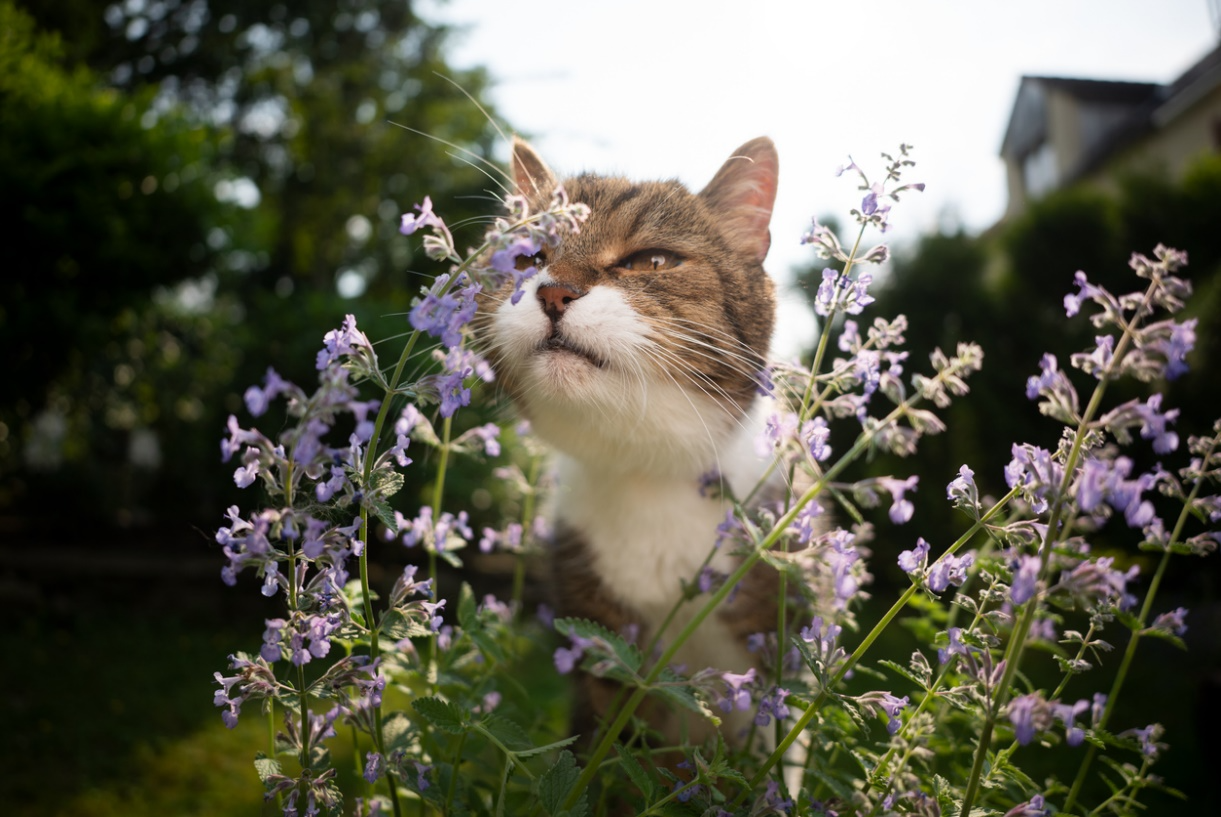
Pets can also encounter risks close to home. Dogs and cats commonly ingest:
- Compost or old vegetation
• Bulbs or roots dug up during early gardening
• Grass clippings or spoiled plant material
• Standing water in pots, tarps, or low spots
• Fertilizer or weed-control products before treated areas have dried
These exposures may lead to vomiting, diarrhea, or stomach pain. Supervising pets during outdoor time and keeping them away from compost piles, yard waste, and freshly treated lawns helps prevent problems.
Toxic Plants in the Hudson Valley
Several plants found in New York gardens and yards are harmful to pets if chewed or eaten. Spring concerns include:
- Tulips
• Daffodils
• Hyacinths
• Lily of the valley
• Crocus (spring-blooming varieties)
• Rhododendron and azalea
• Any flower bulbs unearthed by pets
• All true lilies (life-threatening to cats)
If you are unsure whether a plant is safe, you can check the Pet Poison Helpline’s list of toxic plants.
Wildlife Encounters Increase in Spring
As wildlife becomes more active in New York, dogs and cats may encounter raccoons, skunks, squirrels, possums, foxes and outdoor cats. These interactions can lead to scratches, bites, or parasite exposure, especially in wooded or rural areas.
Spring Pet Care Tips for Dogs and Cats in New York
- Start flea, tick, and heartworm prevention early
- Brush your pet regularly to manage shedding
- Keep pets away from compost, mushrooms, and garden debris
- Prevent access to lilies and other toxic plants
- Store fertilizers, weed killers, and yard chemicals securely
- Avoid letting pets drink from puddles after rain
- Supervise pets outdoors in areas with wildlife activity
- Schedule a spring wellness exam to evaluate any new concerns
Keep Your Pet Healthy This Spring
Spring in the Hudson Valley brings new opportunities for dogs and cats to explore, but also predictable seasonal risks. If your pet develops digestive problems, coughing, itching, lameness, or unusual behavior—or if you need help choosing parasite prevention—All Animal Veterinary Services is here to support your pet’s health.
Call today to schedule your pet’s spring wellness visit.