Pet owners sometimes think that bad breath in dogs and cats is just part of life with animals. While a mild odor from your pet’s food is normal, a strong or lingering bad breath usually signals a developing problem inside the mouth. Dental issues are among the most common reasons veterinarians see ongoing odor concerns in pets. Addressing dental problems early helps protect your pet’s health and comfort.
At All Animal Veterinary Services, we care for companion animals, exotic pets, and farm animals. Dental concerns are something we see often, and even pets who seem energetic and happy can have oral issues that are easy to overlook at home. Understanding what bad breath may be telling you is an important part of caring for your dog or cat.
Why Dental Problems Cause Bad Breath
A common source of bad breath in dogs and cats is the buildup of plaque and tartar. Plaque forms each day as a soft film on the teeth. When it is not removed, it hardens into tartar, creating the perfect surface for bacteria to cling to. These bacteria feed on plaque and tartar, releasing foul-smelling compounds that cause bad breath.
As this process continues, it can irritate the gums, contribute to inflammation, and eventually lead to infection or pain.
Dogs and cats often hide signs of pain, so dental problems may progress quietly until bad breath becomes one of the first noticeable changes.
Common Dental Issues Linked to Bad Breath
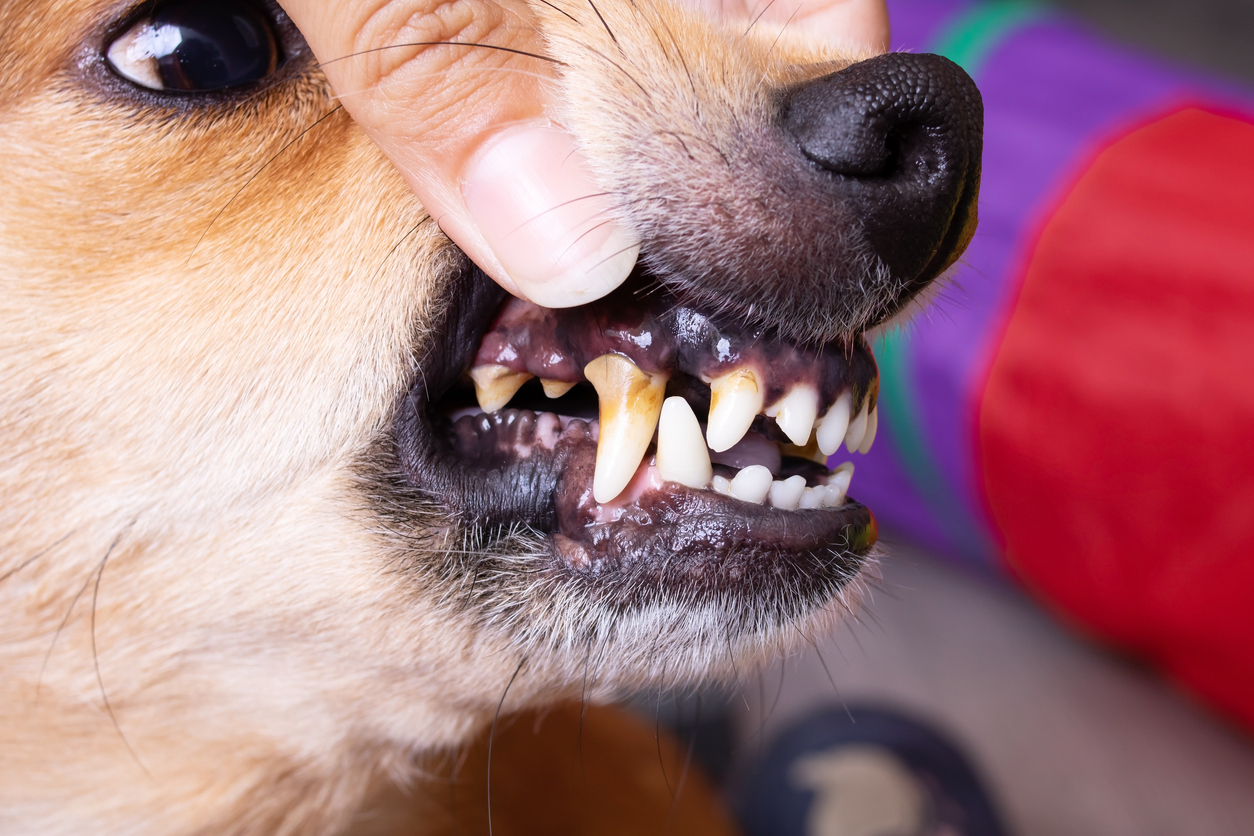
Ongoing bad breath in dogs and cats can be associated with:
- Plaque and tartar buildup
- Red, swollen, or bleeding gums
- Infected or damaged teeth
- Gum recession
- Tooth root infections hidden below the gumline
Left untreated, oral bacteria can enter the bloodstream and place added stress on the heart, liver, and kidneys.
When Bad Breath Should Get Your Attention
While a mild odor is normal at times, contact All Animal Veterinary Services if your pet’s breath:
- Has a persistent strong odor
- Seems to worsen over time
- Your pet has red or irritated gums
- Causes changes in chewing or dropping food
- Leads to pawing at the mouth or behavior changes
Cats can be especially subtle in showing discomfort, making routine dental evaluations especially important for them.
Could Something Other Than Dental Issues Be Causing the Odor?
Yes. Digestive or metabolic conditions, masses in the mouth or foreign object stuck in between teeth can sometimes contribute to bad breath. A veterinary exam helps determine whether the source is dental or if we need to do additional testing. Still, for dogs and cats, dental issues remain one of the most common and preventable causes of ongoing odor.
Supporting Your Dog or Cat’s Dental Health at Home
At-home dental care can play a helpful role in maintaining oral health between veterinary visits. Brushing with pet-safe toothpaste and using veterinarian-recommended dental products can help slow plaque buildup and promote healthier gums in dogs and cats. For more tips on at-home dental care for pets, visit the American Veterinary Medical Association’s Pet Dental Care page.
Even with consistent home care, professional dental evaluations and cleanings are necessary because many dental problems occur below the gumline, where you cannot see them.
Do Rabbits and Other Exotic Pets Get Dental Problems?
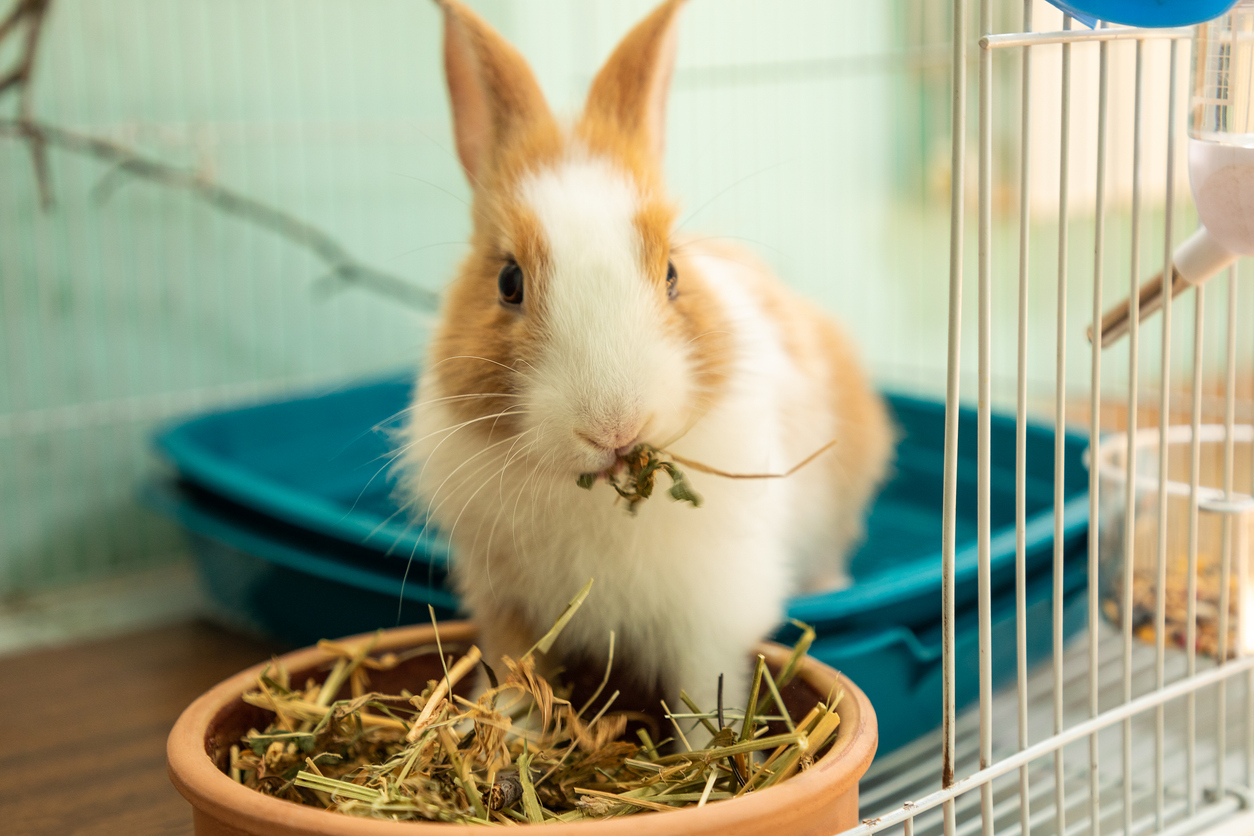
Yes. Dental issues are quite common in rabbits, making them one of the exotic species we see frequently for oral concerns. Rabbits, guinea pigs, and other small mammals have teeth that grow continuously, so they are more likely to develop overgrown teeth, sharp points, or root problems, issues that usually do not cause bad breath. Instead, early signs may include reduced hay intake, dropping food, drooling, or reluctance to chew certain textures.
Birds and reptiles can also develop oral health concerns, but in different ways. Birds may experience beak overgrowth, misalignment, or beak injuries, while reptiles are more prone to mouth infections or inflammation inside the oral cavity. These conditions do not typically create noticeable odor, so changes in eating habits, chewing behavior, or temperament are often more reliable indicators that something is wrong.
All Animal Veterinary Services evaluates dogs, cats, small mammals, birds, and reptiles and can help identify and address dental or oral issues early.
Dental Care for Horses, Cattle, Goats, and Other Farm Animals

Farm animals can develop dental problems that cause pain and significantly affect their ability to eat properly and maintain good health. Horses, cattle, goats, sheep, and pigs may experience uneven tooth wear, overgrown or fractured teeth, sharp points, or oral infections. These conditions can make chewing painful, leading to reduced feed intake, weight loss, and changes in behavior long before owners realize something is wrong.
Because many farm animals instinctively hide signs of pain, dental disease can progress quietly. A horse may keep eating while shifting its jaw to avoid a painful tooth, or a goat may chew more slowly to compensate. Livestock experiencing dental pain often struggle to maintain their body condition, and untreated issues can eventually impact digestion and overall productivity.
Regular dental evaluations and teeth floats are an essential and an important part of equine care. Older ruminants can develop dental abscesses. Younger animals may be born with jaw abnormalities which may not be noticed until older. A veterinarian is trained to identify dental problems early, provide safe and appropriate treatment, and help keep your animals eating comfortably and staying healthy. All Animal Veterinary Services offers professional farm-animal dental care to prevent painful conditions and support the well-being of the animals in your care.
Schedule a Dental Exam
Bad breath is one of the early signs that dental changes may be developing in dogs and cats, but it is only one part of the bigger picture when it comes to oral health. Dental issues can progress quietly in dogs, cats, exotic pets, and farm animals, even when eating and behavior appear normal at home. Regular dental evaluations help catch these problems early, prevent pain, and support long-term health. If you have noticed changes in your pet’s breath or your animal is due for a routine dental check, our team can help you ensure they stay comfortable, healthy, and thriving.