Common Causes of Dog Paw Licking, Skin Irritation, and When to See a Veterinarian in Modena, NY
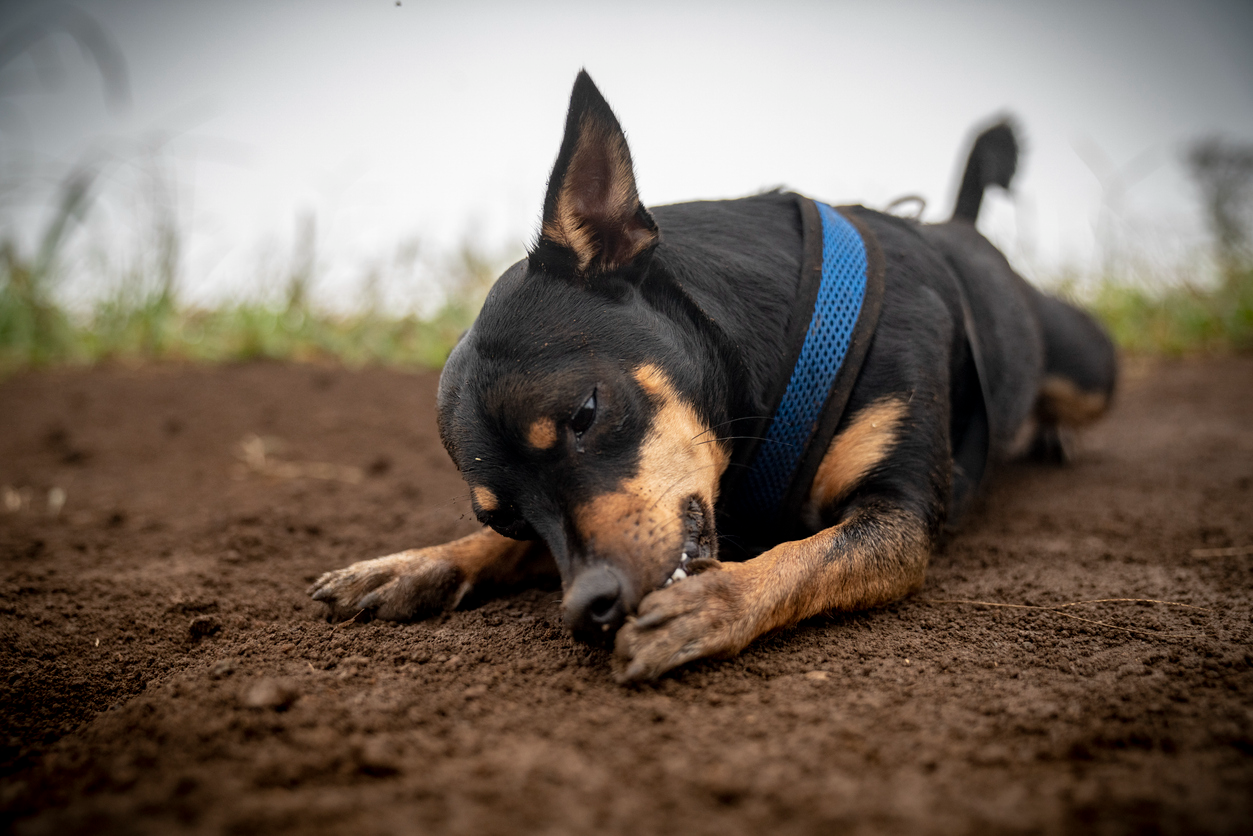
Dogs will lick their paws from time to time, especially after being outside. It is a normal grooming behavior that helps remove dirt, moisture, or small debris picked up during daily activity.
However, when paw licking becomes frequent, repetitive, or focused on one area, it can be a sign that something is irritating your dog or causing discomfort.
At All Animal Veterinary Services in Modena, NY, paw licking is something we commonly evaluate during exams. Dogs in the Hudson Valley often explore grassy yards, wooded areas, farms, and rural properties where their paws are exposed to a wide range of environmental irritants.
Persistent paw licking can have a variety of causes, and in some cases may indicate an underlying issue that should be evaluated, as noted by the American Kennel Club.
Because your dog relies on their paws for everything—from running and playing to simply getting around—small problems can quickly become more noticeable. Understanding the reasons behind paw licking can help you decide when to monitor at home and when it’s time to schedule a veterinary visit.
Why Is My Dog Licking Their Paws?
Occasional paw licking is completely normal. Dogs often clean their paws after being outside or after contact with something unfamiliar.
However, persistent licking may indicate irritation, discomfort, or an underlying issue.
Signs that paw licking may need attention include:
- Repeated licking throughout the day
- Chewing or biting at the paws
- Red or irritated skin
- Hair loss around the toes
- Limping or favoring one paw
When licking continues or becomes focused on a specific paw, it often means your dog is trying to relieve discomfort.
Debris From Grass, Fields, and Outdoor Areas
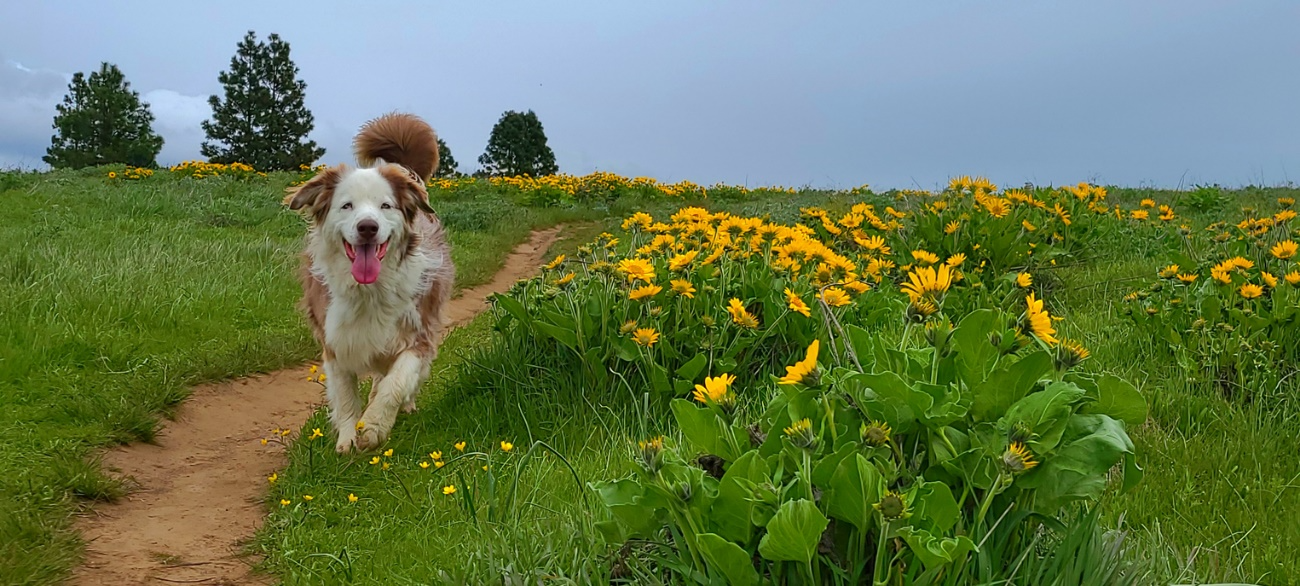
Dogs in Modena and surrounding areas often spend time in fields, wooded trails, and rural yards where debris can easily become lodged between their toes.
Common irritants include:
- Grass seeds
- Small twigs or splinters
- Burrs and weeds
- Dirt, sand, or gravel
Even small particles can cause irritation. Dogs naturally respond by licking or chewing the area to try to remove the object.
Checking your dog’s paws after walks, hikes, or time outdoors can help prevent minor irritation from turning into a larger problem.
Minor Cuts or Paw Pad Irritation
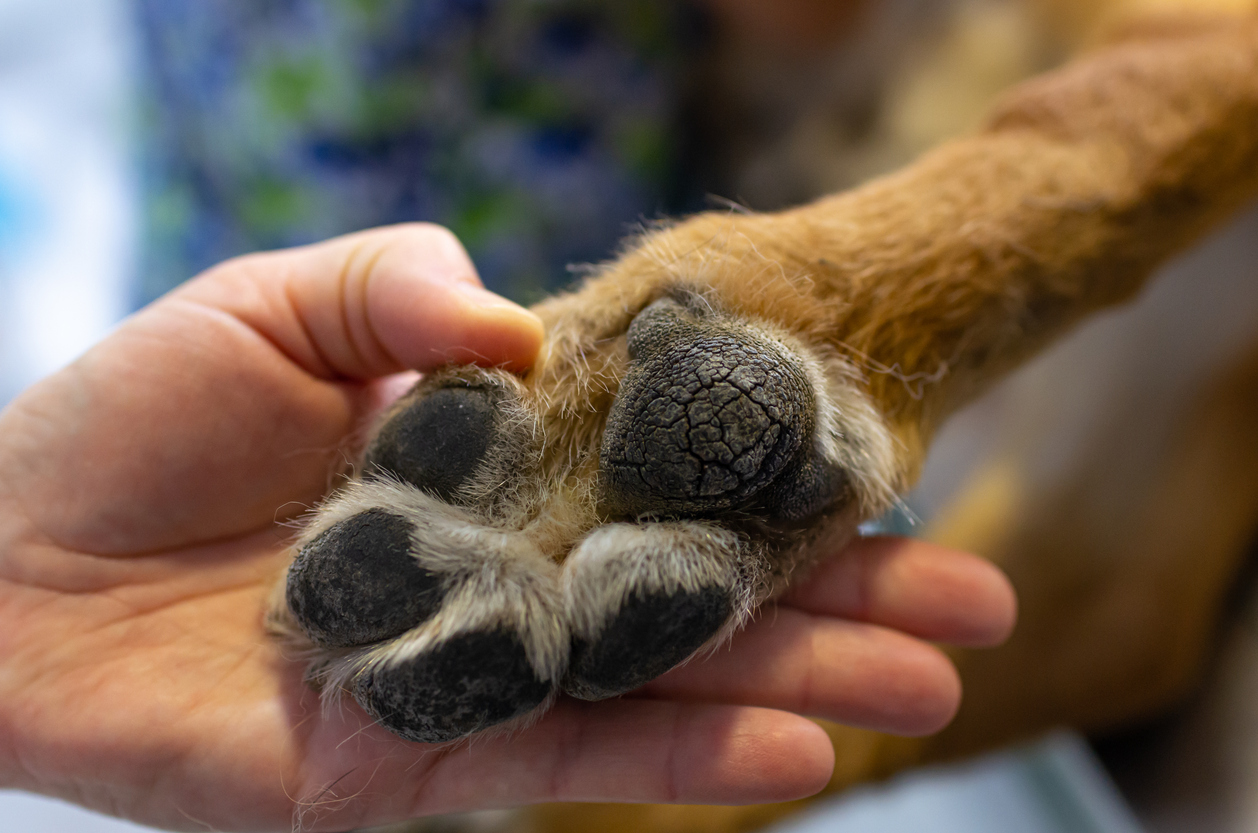
Paw pads can become irritated from rough terrain, sharp objects, or seasonal conditions.
In the Northeast, dogs may also be exposed to:
- Road salt and ice melt during winter
- Frozen or uneven ground
- Mud and moisture during spring
These conditions can dry out or irritate paw pads, leading to licking. Unfortunately, excessive licking can worsen irritation and delay healing.
If you notice cracks, redness, or swelling, a veterinary exam may be needed.
Nail Problems
Overgrown, cracked, or broken nails can cause discomfort and lead to paw licking.
Because nails contain nerves and blood supply, even a small injury can be painful. Dogs with nail issues often focus their licking on one specific toe.
Regular nail trims are one of the simplest ways to prevent these problems.
Skin Infections Between the Toes
Frequent licking can trap moisture between the toes, creating an environment where bacteria or yeast can grow.
Signs of infection may include:
- Red or inflamed skin
- Swelling or tenderness
- Odor coming from the paws
- Brown or reddish staining from saliva
These infections typically require veterinary treatment to fully resolve.
Can Paw Licking Be Related to Health Problems?
Paw licking can also be linked to issues beyond the paws themselves.
At All Animal Veterinary Services, we may evaluate for:
Allergies
Environmental or food-related allergies can cause itching and inflammation, often affecting the paws.
Dermatitis (Skin Inflammation)
Irritation from allergens, moisture, or contact with certain substances can lead to dermatitis, which often causes redness, itching, and repeated licking.
Parasites
Fleas, mites, or other parasites can irritate the skin and may contribute to paw licking, even if the problem starts elsewhere on the body.
Digestive Sensitivities
Some dogs with gastrointestinal issues may develop skin changes that lead to paw licking.
Joint or Limb Pain
Dogs with arthritis or injuries may lick the paw of the affected limb as a response to discomfort.
Stress or Habit Behavior
Boredom, anxiety, or changes in routine can sometimes lead to repetitive licking behaviors.
When to See a Veterinarian
Occasional licking is normal, but you should not ignore persistent licking.
Contact All Animal Veterinary Services in Modena, NY if your dog shows:
- Constant licking or chewing at the paws
- Limping or reluctance to walk
- Red or irritated skin
- Hair loss between the toes
- Swelling, odor, or discharge
Early evaluation can help prevent small issues from becoming more serious.
Helping Your Dog Stay Comfortable
Healthy paws are essential for your dog’s comfort and mobility. Regular paw checks, keeping nails trimmed, and paying attention to behavior changes can help you catch problems early.
If your dog has been licking their paws more than usual, the team at All Animal Veterinary Services in Modena is here to help identify the cause and recommend the best treatment to keep your pet active and comfortable.
Frequently Asked Questions About Dogs Licking Their Paws
Can lawn and garden treatments cause paw licking?
Yes. Fertilizers, weed killers, and other lawn or garden products can irritate your dog’s paw pads, especially if they walk on treated areas before the products have fully dried. Pets should be kept off recently treated lawns until it is safe according to the product instructions. If exposure does occur, rinsing your dog’s paws can help remove residue and reduce irritation.
Can farm chemicals cause paw licking?
Yes. In rural areas like Modena, dogs may come into contact with products used around livestock, such as fly sprays, pour-on parasite treatments, hoof care solutions (like copper sulfate footbaths), and barn disinfectants. If a dog walks through treated areas or interacts with livestock, residue can irritate the paws and lead to licking. Keeping dogs away from recently treated areas and rinsing paws after exposure can help reduce irritation.
Why does my dog lick only one paw?
This often indicates a localized issue such as a splinter, small cut, insect bite, or nail injury.
Can paw licking lead to infections?
Yes. Constant licking creates moisture that allows bacteria or yeast to grow between the toes.
Can dogs develop sores from licking?
Yes. Repeated licking can damage the skin and lead to chronic sores known as acral lick dermatitis.