All Animal Veterinary Services
Winter brings important changes to how animals use energy, maintain body condition, and respond to their environment. Colder temperatures, shorter days, and shifts in activity levels can all affect nutritional needs for both household pets and farm animals. Paying close attention to diet and body condition during the winter months plays an important role in supporting long-term health and overall well-being.
At All Animal Veterinary Services, we work with families, farms, and animal owners throughout Modena and the surrounding areas to support nutrition, wellness, and preventive care for a wide range of species, including dogs, cats, horses, cattle, sheep, goats, pigs, poultry, and other farm animals.
How Winter Affects Nutritional Needs
Cold weather increases the amount of energy animals use to maintain normal body temperature. At the same time, daily routines often change. Pets may spend more time indoors and exercise less, while livestock may rely more heavily on stored forages and supplemental feeding.
These seasonal shifts can lead to different nutritional challenges. Some animals require additional calories to maintain body condition, while others may be at risk for unwanted weight gain if feeding plans are not adjusted appropriately. Because these changes tend to occur gradually, they can be easy to overlook without regular monitoring.
Winter Nutrition for Dogs and Cats
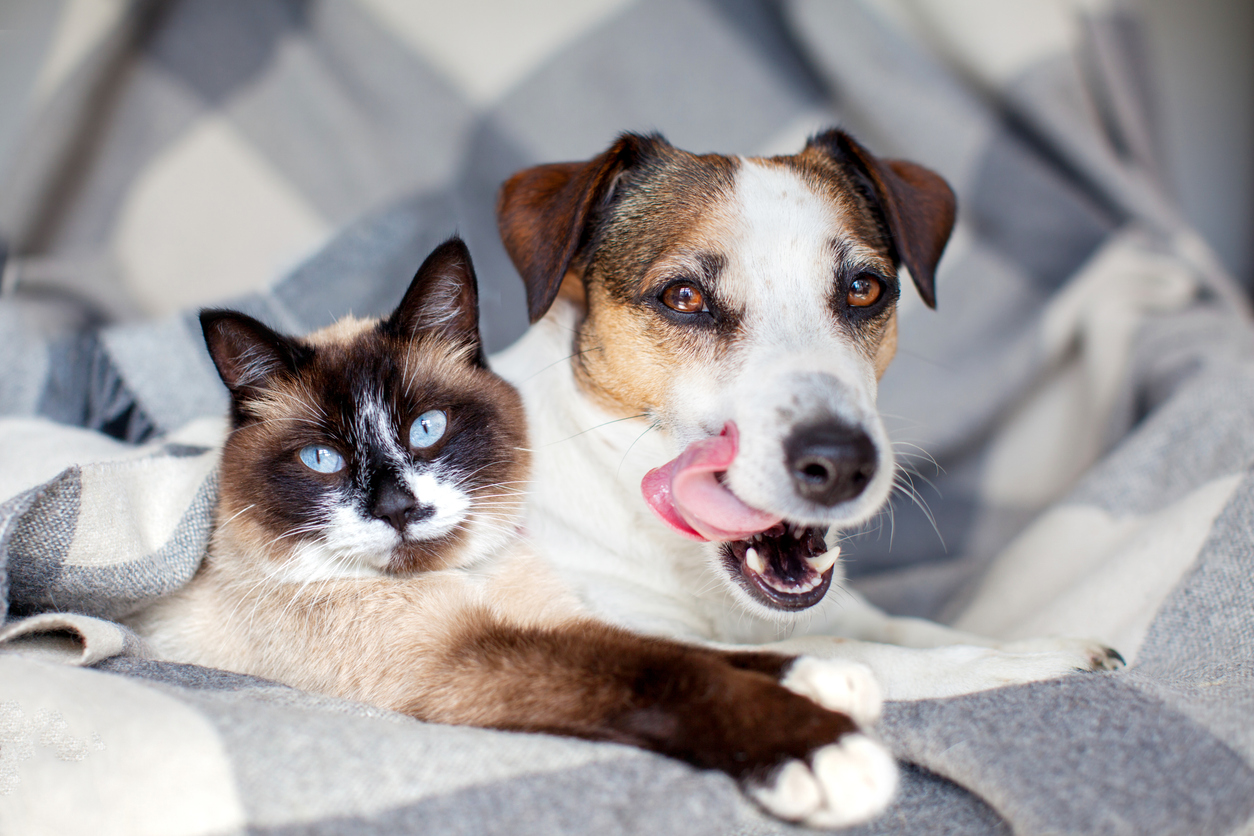
During winter, many dogs and cats experience reduced activity levels, particularly when outdoor exercise is limited by weather. If feeding amounts remain unchanged, weight gain can occur, placing extra strain on joints, the heart, and other body systems.
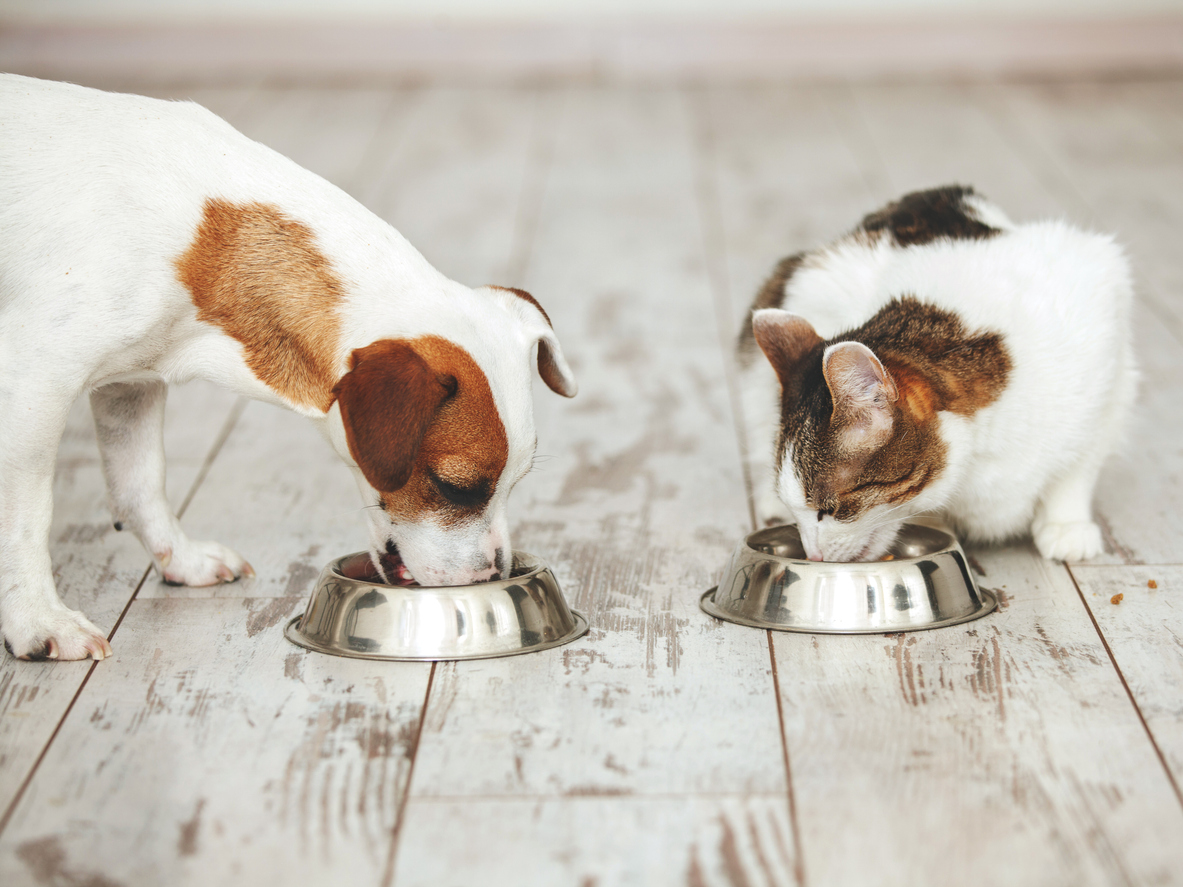
Key winter nutrition considerations for pets include monitoring body weight and body condition regularly, adjusting portion sizes based on activity level and age, ensuring diets are appropriate for pets with chronic conditions, and maintaining access to fresh water to support hydration.
Cats may show subtle changes in appetite or behavior during winter, making routine wellness exams an important opportunity to assess nutritional needs and overall health.
Winter Nutrition and Body Condition for Livestock
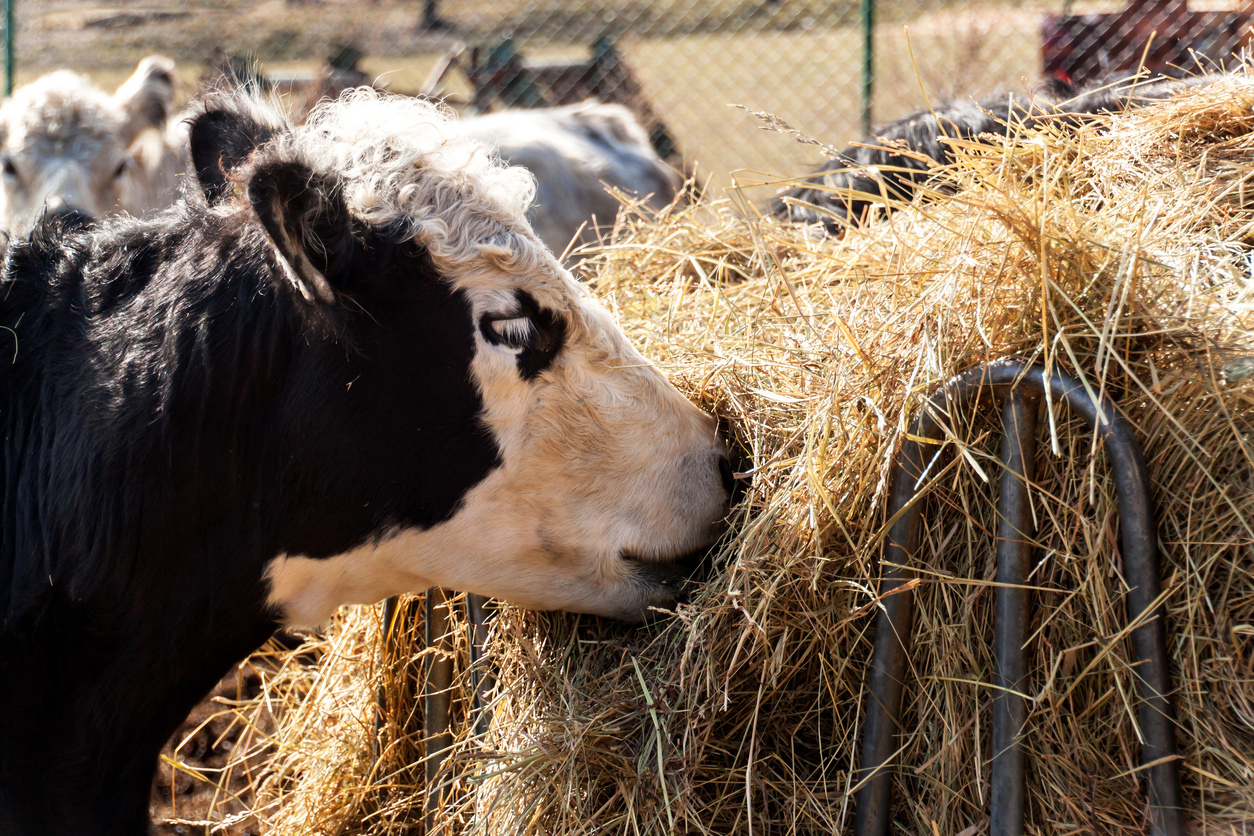
For livestock, winter nutrition is closely tied to maintaining body condition, immune function, and productivity. Cold temperatures increase energy demands, and inadequate intake can lead to weight loss, reduced performance, and increased susceptibility to illness.
Important winter nutrition considerations for livestock include providing adequate energy through quality forage and appropriate supplementation, ensuring consistent access to clean, unfrozen water, monitoring body condition regularly rather than relying on visual appearance alone, and adjusting rations for young, pregnant, or lactating animals. Long hair coats can be deceiving, make sure to feel under the hair coat to asses your animal true body condition.
Winter is also a practical time to evaluate feeding programs and make adjustments before spring breeding, growth, or production demands increase.
Why Body Condition Matters
Body condition helps veterinarians assess whether an animal is receiving the right amount of nutrition. Animals that are too thin or carrying excess weight are more likely to experience health challenges, including difficulty maintaining energy, increased strain on joints, and reduced overall resilience. Maintaining a healthy body condition supports mobility, immune health, and long-term well-being across all species.
Regular veterinary assessments help identify nutritional imbalances early and allow feeding plans to be adjusted before problems become more difficult to correct.
The Connection Between Winter Nutrition and Joint Comfort
Joint discomfort can become more noticeable during the winter months, particularly in animals experiencing changes in activity level or body condition. Extra weight places additional stress on joints, while reduced movement can contribute to stiffness over time. In livestock, body condition also plays a role in mobility, endurance, and overall resilience during colder weather.
Veterinary evaluations during winter provide an opportunity to assess mobility, body condition, and overall comfort as part of routine wellness care. Supporting appropriate nutrition and maintaining a healthy body condition are important factors in reducing unnecessary strain on joints and promoting long-term comfort across all species.
How All Animal Veterinary Services Can Help
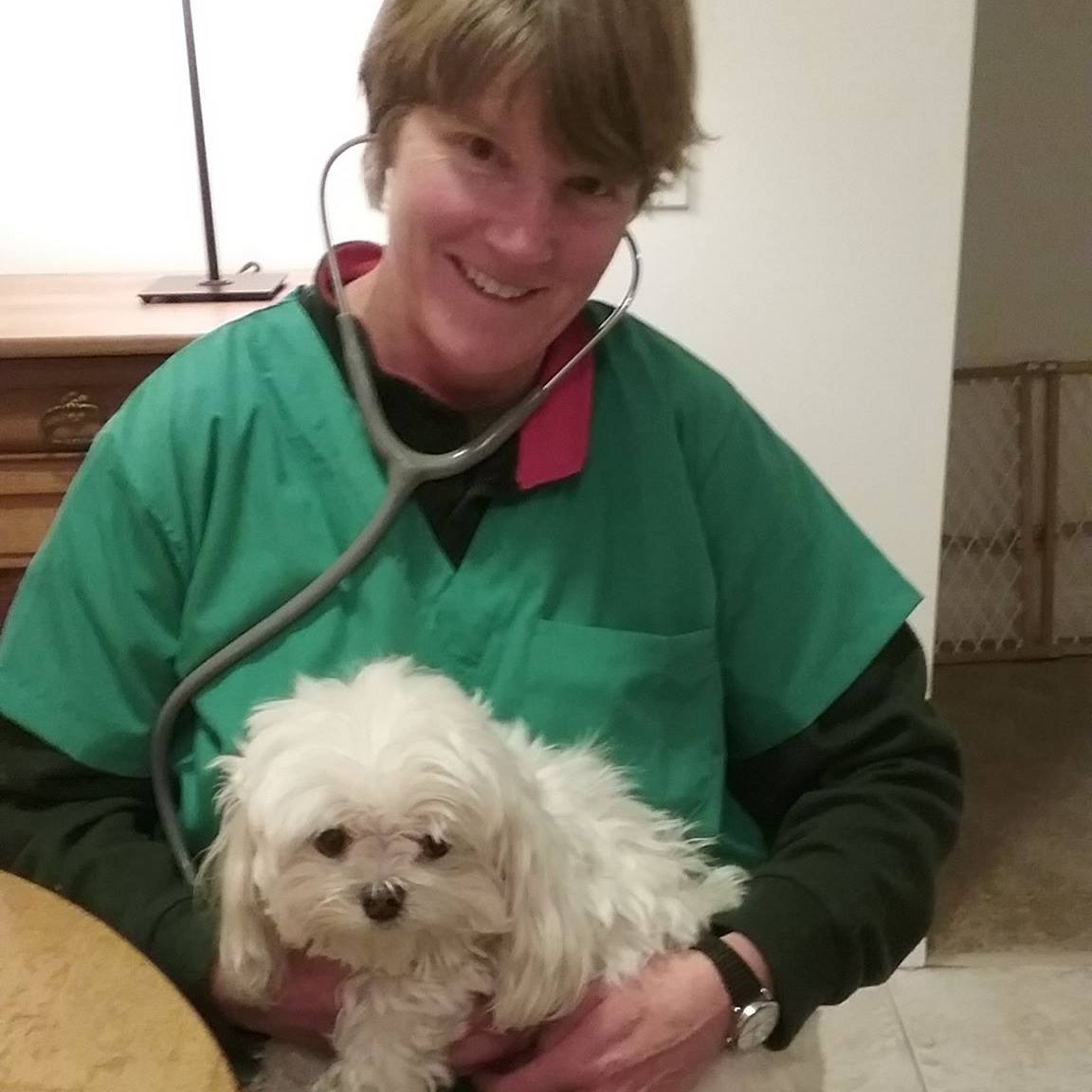
All Animal Veterinary Services provides guidance on nutrition, body condition evaluation, and overall wellness for pets and farm animals alike. Our team works closely with animal owners to assess health status, review feeding programs, and support animals through seasonal changes. We recommend appropriate vaccinations to prevent diseases when animal are in close quarters inside or stressed by cold weather conditions outside.
Whether caring for a household pet or managing livestock, winter wellness visits offer an opportunity to ensure nutritional needs are being met and to plan proactively for the months ahead.
When to Seek Nutritional Guidance
Consider contacting All Animal Veterinary Services if you notice unintended weight loss or weight gain, changes in appetite or feeding behavior, declining body condition in livestock, reduced energy or changes in overall condition, or concerns about winter feeding strategies. Addressing nutritional concerns early helps support better outcomes year-round.
Supporting Healthy Animals All Winter Long
Winter is an important time to focus on nutrition, body condition, and overall wellness. Thoughtful feeding, regular monitoring, and veterinary guidance help animals remain healthy, comfortable, and productive throughout the colder months.
All Animal Veterinary Services is proud to support pets, farms, and families with comprehensive veterinary care across all seasons. Contact our team to schedule a winter wellness visit or to discuss nutrition and body condition planning for your animals.
All Animal Veterinary Services
2264State Route 32
Modena, NY 12548
Call us to schedule a wellness exam or consultation.