Most dogs vomit at some point, and an occasional episode does not always mean something serious is wrong. But dog vomiting can also be a sign of illness, an intestinal blockage, or something your dog has eaten that requires prompt veterinary care.
Knowing what your dog vomited, how often it is happening, and whether there are other symptoms can help determine how concerned you should be.
At All Animal Veterinary Services in Modena, we can evaluate your dog to determine what may be causing the vomiting and whether treatment is needed.
Why Do Dogs Vomit?
Vomiting occurs when the stomach forcefully expels its contents. Dogs can vomit for many different reasons, ranging from eating something that upsets the stomach to a more serious medical condition.
Common causes of dog vomiting can include:
- Eating spoiled food, garbage, or something unusual
- Eating too quickly
- A sudden change in diet
- Intestinal parasites
- Food intolerance
- Gastrointestinal inflammation or infection
- Pancreatitis
- Swallowing a foreign object
- Exposure to a toxin
- Certain medications
- Kidney, liver, or other systemic disease
Because the causes vary so widely, the circumstances surrounding the vomiting are often just as important as the vomiting itself.
Is It Vomiting or Regurgitation?
Vomiting and regurgitation can look similar, but they are not the same.
A dog that is about to vomit may become restless, drool, lick the lips, or repeatedly swallow. Vomiting usually involves noticeable abdominal contractions or heaving before food or liquid comes up.
Regurgitation tends to happen more suddenly and with little effort. Undigested food or liquid comes back up from the esophagus rather than the stomach.
This distinction can provide useful information when we are trying to determine what is causing the problem. If possible, taking a photo of what your dog brought up or even a short video of an episode can be helpful for your veterinary team.
What Can Your Dog’s Vomit Tell You?
The appearance of your dog’s vomit can sometimes provide clues, although color alone cannot tell you what is wrong.
You might see partially digested or undigested food, clear liquid, mucus, white foam, or yellow fluid. Yellow vomit often contains bile, which can be more noticeable when the stomach is relatively empty.
Fresh blood can appear red, while partially digested blood may appear dark brown or black with a grainy, coffee-ground-like appearance.
Foreign material may also be visible. If you see pieces of a toy, fabric, plastic, bone, or another object, there could be additional material remaining in the digestive tract.
Rather than trying to diagnose the problem based on appearance alone, pay attention to what the vomit looks like along with how your dog is acting and how often the vomiting occurs.
When Is Dog Vomiting an Emergency?
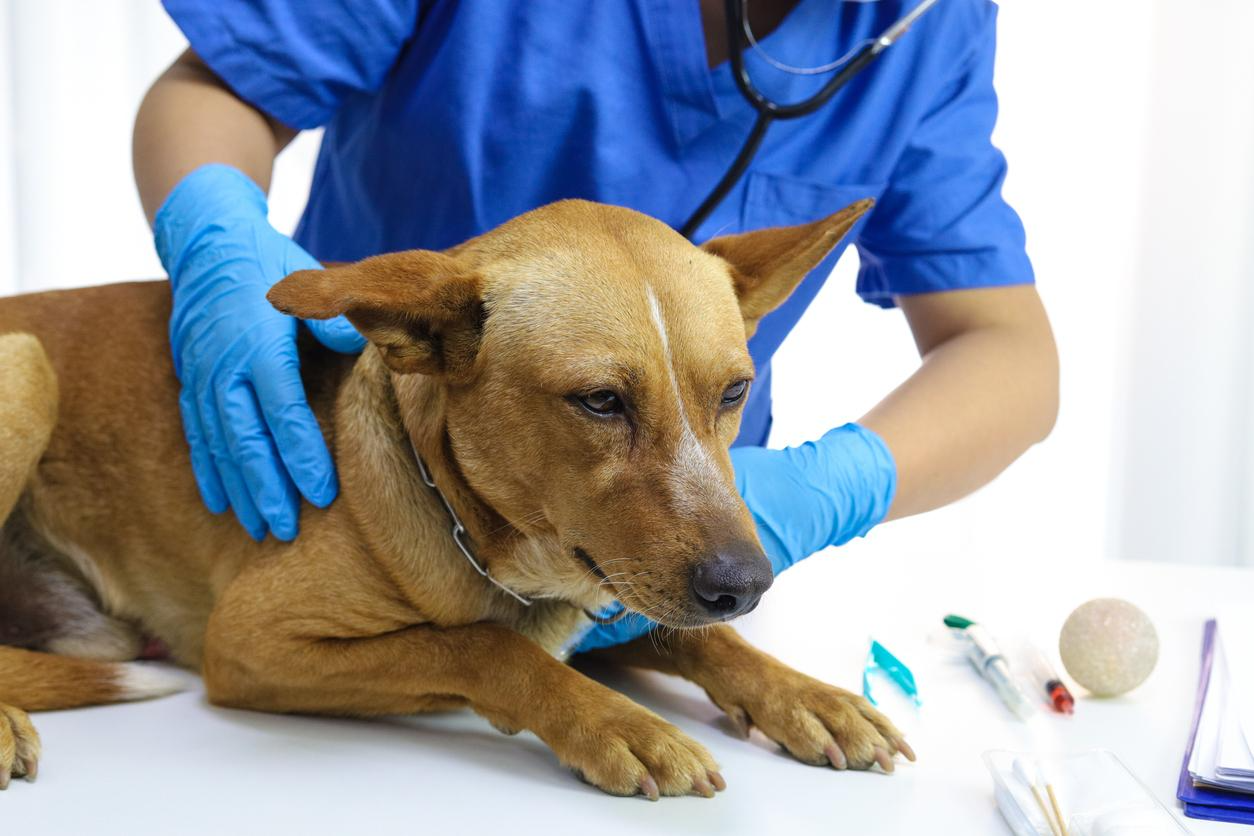
A single episode of vomiting in an otherwise bright, comfortable dog can be very different from repeated vomiting or vomiting accompanied by other symptoms.
Contact All Animal Veterinary Services if your dog continues to vomit or you are concerned about your dog’s condition. More urgent veterinary care can be needed if vomiting occurs along with:
- Repeated vomiting or inability to keep water down
- Blood in the vomit
- Severe diarrhea or bloody diarrhea
- Weakness, collapse, or extreme lethargy
- A swollen or painful abdomen
- Repeated attempts to vomit without producing anything
- Difficulty breathing
- Signs of dehydration
- Possible ingestion of a toxin or foreign object
Puppies, senior dogs, and dogs with existing health conditions can also be more vulnerable to dehydration and complications from vomiting.
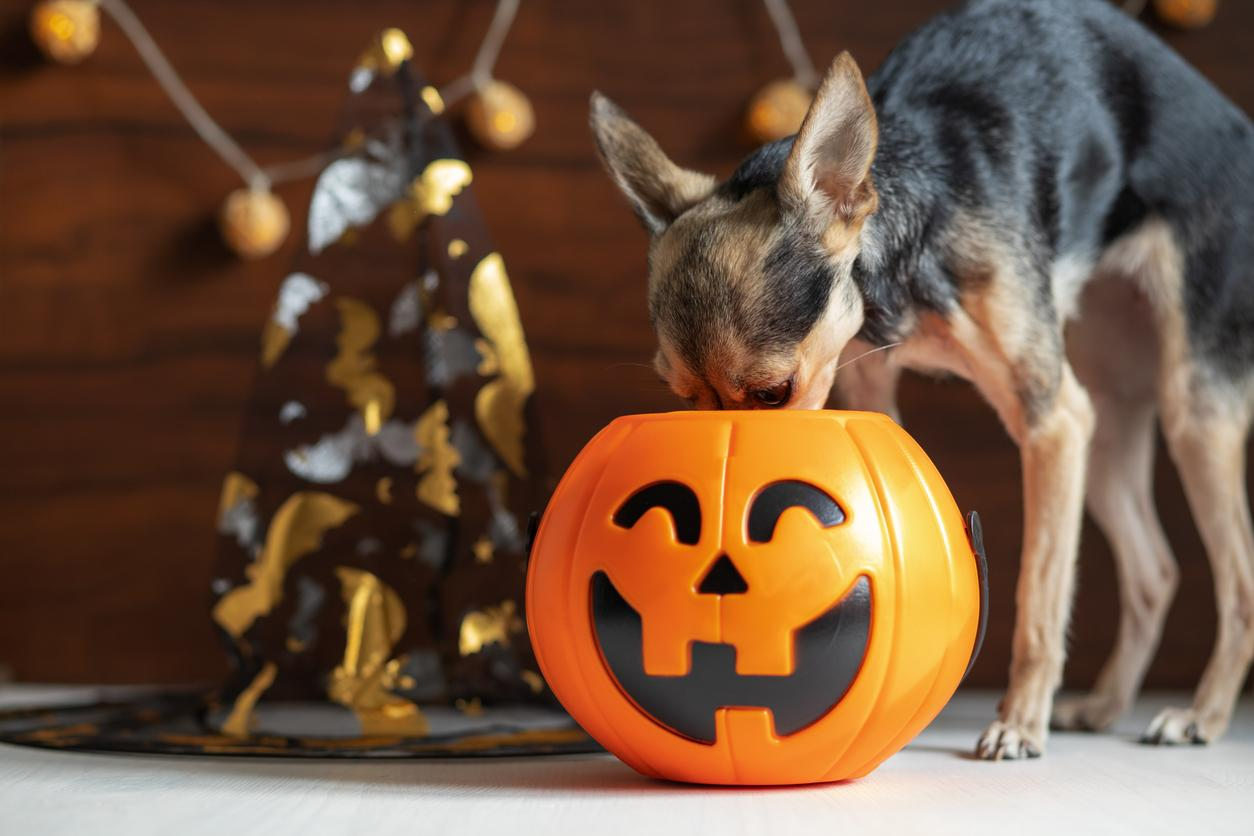
October brings an additional reason to pay attention to sudden dog vomiting. Halloween candy, party foods, discarded wrappers, decorations, and costume parts can create hazards for curious dogs.
Chocolate can cause vomiting and diarrhea, but larger exposures can lead to abnormal heart rhythms, tremors, seizures, and other serious problems. Sugar-free candy and gum can contain xylitol, which is highly toxic to dogs. Raisins can cause kidney injury, and rich or fatty foods can contribute to gastrointestinal upset or pancreatitis.
Candy wrappers, pieces of decorations, and costume parts can also be dangerous if swallowed. These items can become lodged in the digestive tract and cause an obstruction, which may lead to repeated vomiting and require prompt veterinary treatment.
If you know or suspect that your dog has eaten something potentially toxic or swallowed a foreign object, do not wait for vomiting or other symptoms to appear before seeking advice.
There is often a number or website with contact information on the packaging. You can also contact Animal Poison Control at (888) 426-4435.
Knowing what was eaten or swallowed, approximately how much, and when it happened can help determine the next steps.
For more seasonal safety information, read our Fall Pet Care Guide, which includes Halloween safety tips for pets.
What Should You Do If Your Dog Vomits?
Start by looking at the overall situation. Was this one episode, or has your dog vomited several times? Is your dog behaving normally afterward? Could your dog have gotten into the trash, swallowed an object, eaten unfamiliar food, or been exposed to medication or toxin?
Avoid giving human medications or trying to make your dog vomit unless a veterinarian or animal poison professional specifically tells you to do so. The appropriate response depends on what caused vomiting, and inducing vomiting can be unsafe in some situations.
If vomiting continues, other symptoms develop, or you are uncertain about the cause, contact our team. An examination and, when needed, diagnostic testing can help determine why your dog is vomiting and what treatment is appropriate.
Help for Dog Vomiting in Modena, NY
Dog vomiting can have a simple explanation, but it can also be an early warning sign of a problem that needs prompt veterinary attention. Looking at the frequency of vomiting, your dog’s behavior, other symptoms, and possible exposures can help us determine what may be happening.
Dr. Eleanor Acworth has been caring for animals in Hudson Valley for more than 20 years. If your dog is vomiting or showing other signs of illness, contact All Animal Veterinary Services in Modena to schedule an appointment.