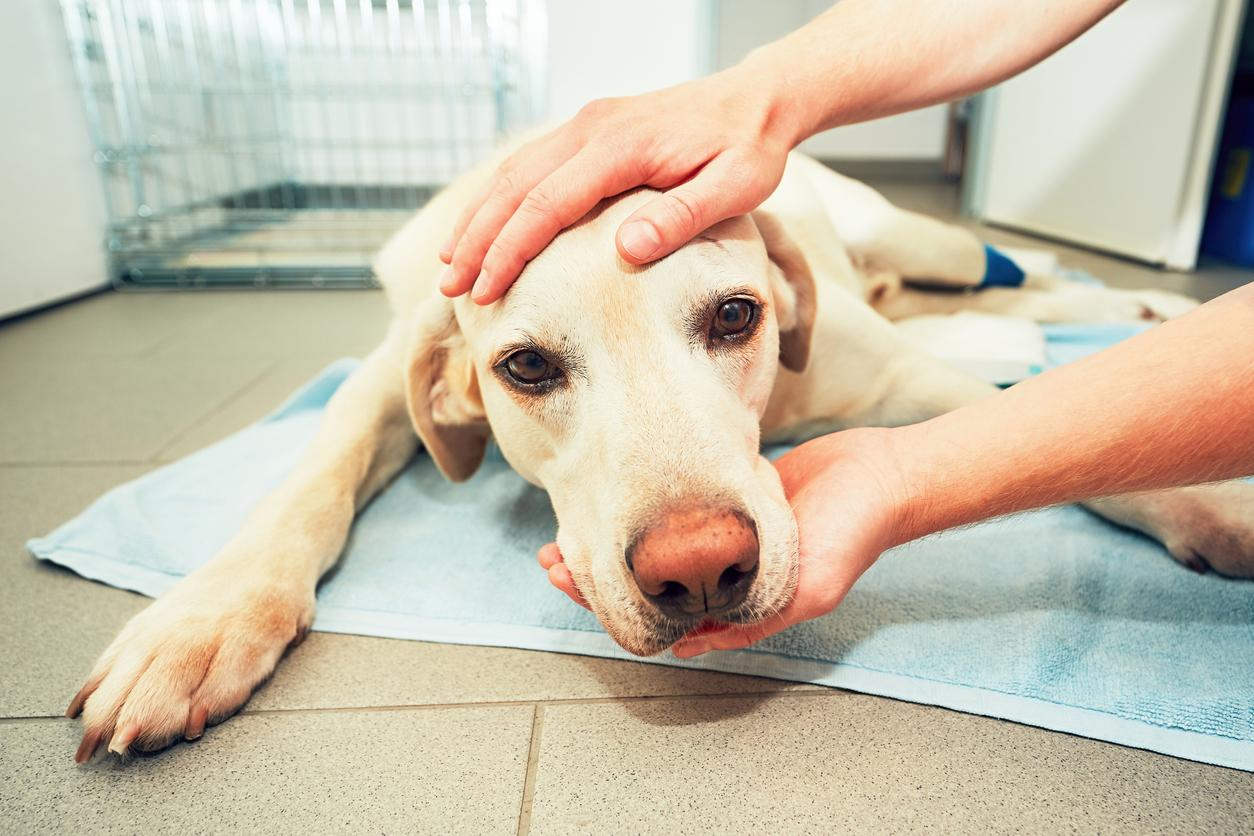

Your pet cannot tell you, “My tooth hurts,” “My joints ache,” or “My ears have been hurting for weeks.” Yet dogs, cats, exotic pets, and other animals can experience chronic pain that continues over time.
Changes in your pet’s behavior, movement, appetite, activity, or other daily habits can be signs that your pet is experiencing pain. Those changes can be subtle, especially when pain develops gradually.
At All Animal Veterinary Services, we want to help you recognize changes that could mean your pet is hurting and know when to seek veterinary care.
Chronic Pain in Pets Can Show Up in Many Ways
You know what is normal for your pet. When you start noticing changes, pay attention to what has changed and, as best you can, when it started. Your observations can help us determine what may be going on with your pet.
Signs of pain in a dog or cat can include:
- Moving more slowly or having difficulty getting up
- Hesitating to climb stairs or jump
- Panting or breathing heavily
- Losing interest in or laying down when on walks, play, or favorite activities
- Hiding or spending less time with you
- Becoming irritable or sensitive to touch
- Eating less, loss of appetite or chewing differently
- Grooming more or less than usual
- Repeatedly licking or chewing an area
- Having difficulty getting comfortable
- Changing posture or the way they move
Any of these signs can indicate that your pet is in pain or that something is wrong. If you notice a significant change in your pet’s normal behavior, appetite, activity, or movement, contact our veterinarians. We can help determine whether pain, an injury, illness, or another problem is responsible.
Cats especially are masters at hiding pain. Your cat may stop jumping onto a favorite spot, spend more time hiding, or become less interested in being handled. These changes can be easy to miss or may not immediately seem connected to pain.
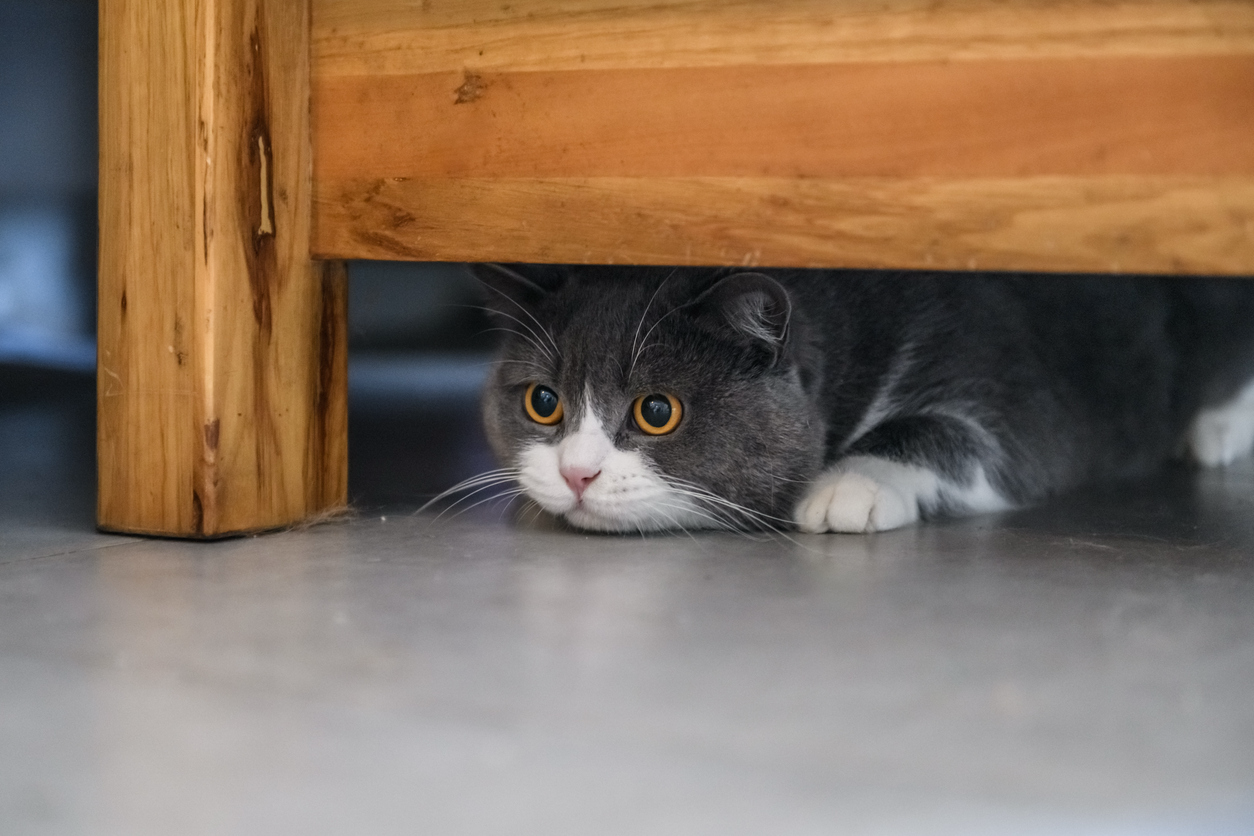
Many exotic pets, particularly prey species such as rabbits and guinea pigs, instinctively hide signs of pain or weakness. This can make pain more difficult to recognize. Changes in eating, movement, posture, activity, weight or other normal behaviors should be taken seriously.
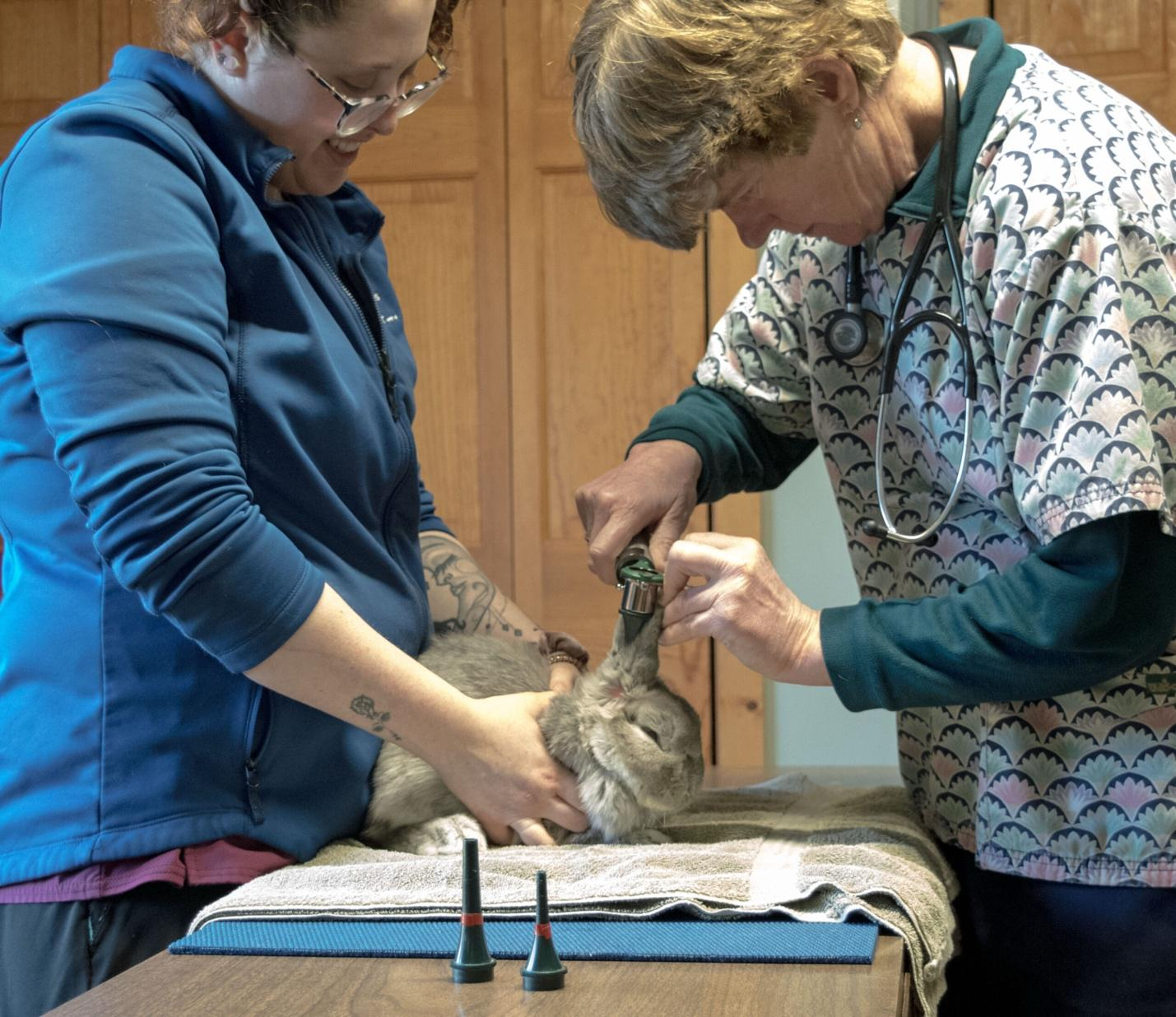
Is Your Senior Pet Slowing Down or Hurting?
As pets age, arthritis and other joint problems become more common and can make everyday movement painful.
If your senior dog no longer wants to walk as far, your older cat has stopped jumping onto the bed, or your pet takes longer to get up and moving, do not automatically assume the change is simply part of getting older. These changes could be signs that arthritis or another painful condition is affecting your pet.
Tell us what you are seeing. Our veterinarians can determine whether pain or another medical condition may be limiting your pet’s activity and what we can do to help.
Other Sources of Chronic Pain in Pets of All Ages
Arthritis is only one source of chronic pain. Other ongoing health problems can cause pain and discomfort in pets at any stage of life, including conditions you may not immediately think of as painful.
Dental disease can cause significant pain in both dogs and cats. Signs of dental pain in dogs can include chewing differently, dropping food, pawing at the mouth, grooming less or sensitivity around the face. Cats with dental pain may also change how they eat or chew, become sensitive around the mouth, or show other changes in their normal behavior. Learn more about the importance of dental care for pets.
Chronic ear infections can cause ongoing inflammation and soreness. If your pet frequently scratches at the ears, shakes their head, or does not want the head or ears touched, pain could be part of the problem.
Chronic skin conditions can also be painful. Inflamed or infected skin can become sore, particularly when your pet repeatedly scratches, licks, or chews the area.
If your pet has a chronic condition, talk with us about whether pain could be part of what your pet is experiencing. Treating the underlying condition is important, but we also want to make sure your pet is comfortable.
Could a Trial of Pain Medication Help?
After examining your pet and identifying a possible source of pain, we may recommend a supervised trial of pain medication. We will ask you to watch for changes at home that can help us determine how well the treatment is working.
Does your dog start walking farther or seem more eager to play? Does your cat begin jumping onto a favorite spot again? Is your pet moving more comfortably or returning to activities they had stopped?
Sometimes the response to treatment reveals just how much pain had been affecting an animal’s daily life. It can also help us determine whether the treatment is working and what approach may be best going forward.
The pain medication we recommend will depend on your pet’s species, health, and the condition causing the pain. The FDA cautions that pain relievers intended for people, or even medication prescribed for another pet, may not be safe for your animal. Never give your pet pain medication unless our veterinarians have recommended it specifically for your pet.
Helping Your Pet Feel Better
At All Animal Veterinary Services, helping an animal find relief from pain is one of the most rewarding parts of the care we provide. We also understand how difficult it can be to watch a pet you love change and not know why. By finding the cause and determining the right treatment, we can work together to improve your pet’s comfort and quality of life.
If you have noticed changes in your pet’s behavior, movement, appetite, or activity, schedule an appointment with our team. Your pet cannot tell us what hurts, but together we can help find the answer.