Before You Leave, Make Sure Every Pet in Your Family Is Ready for Summer Travel or Care at Home
As summer approaches, many families begin making travel plans. Whether your pets will be traveling with you, staying at a boarding facility, or being cared for by a pet sitter, a little preparation can help prevent problems and make the experience much easier.
For families with dogs, cats, rabbits, guinea pigs, birds, reptiles, pot-bellied pigs, backyard chickens, or other animals, planning ahead is especially important. Different species have different travel and boarding needs.
Schedule a Wellness Exam Before Your Trip
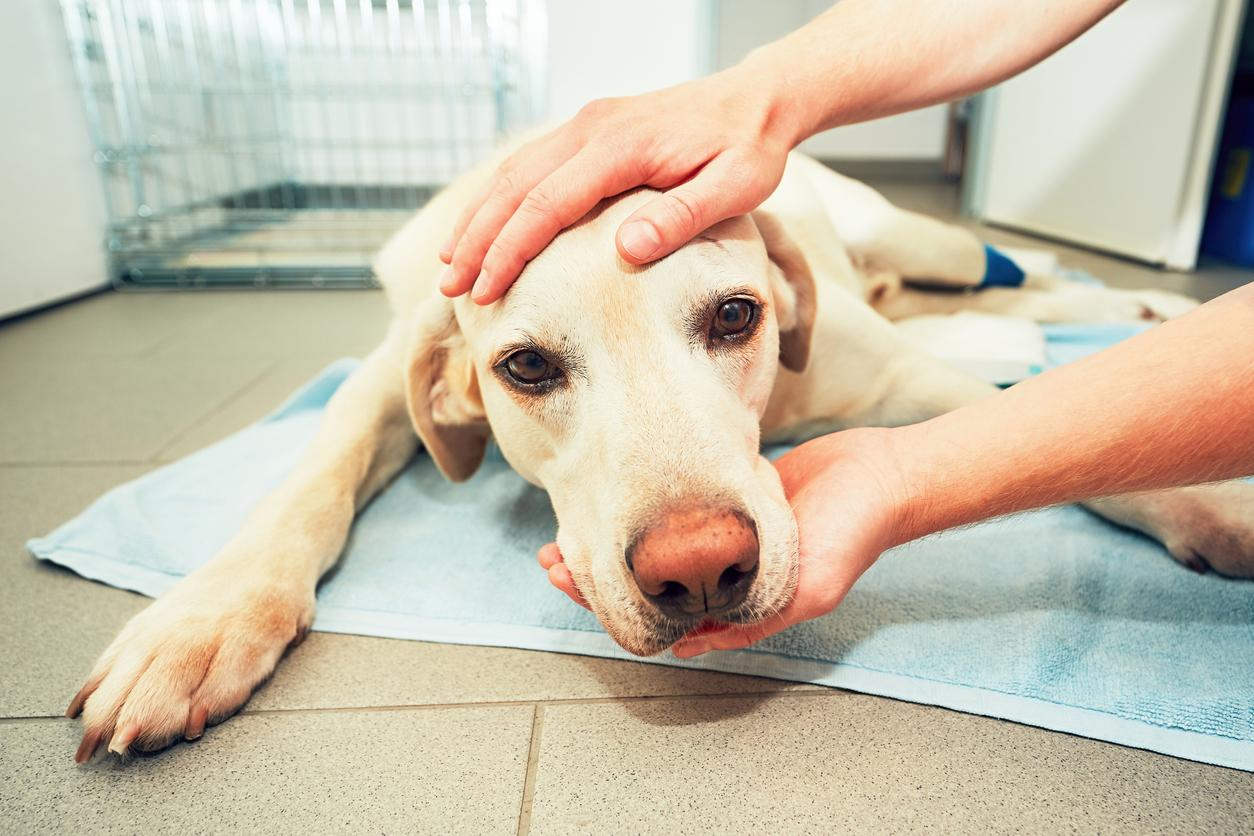
One of the most important parts of a pet boarding and travel checklist is scheduling a wellness exam several weeks before you leave.
A pre-travel or pre-boarding exam is especially important if your pet:
- Has not been seen recently
- Takes medications
- Is older or has a medical condition
- Will be traveling a long distance
- Has never been boarded before
- Is an exotic pet, bird, reptile, rabbit, or other animal with special care needs
Your All Animal Veterinary Services veterinarian can help make sure your pet is healthy enough to travel and can advise you about any special needs.
Make Sure Vaccines and Preventives Are Up to Date
Most boarding facilities require dogs to be current on:
- Rabies
- Distemper/parvo
- Bordetella (kennel cough)
Cats that are boarded often need:
- Rabies
- FVRCP
Depending on the species, rabbits, ferrets, birds, reptiles, and other exotic pets may also need updated vaccines, parasite prevention, or health paperwork before travel.
Before your trip, refill:
- Prescription medications
- Heartworm prevention
- Flea and tick prevention
- Supplements or special diets
If you are crossing state lines with poultry or some exotic animals, you may also need health certificates or other paperwork.
If Your Pet Is Traveling by Car
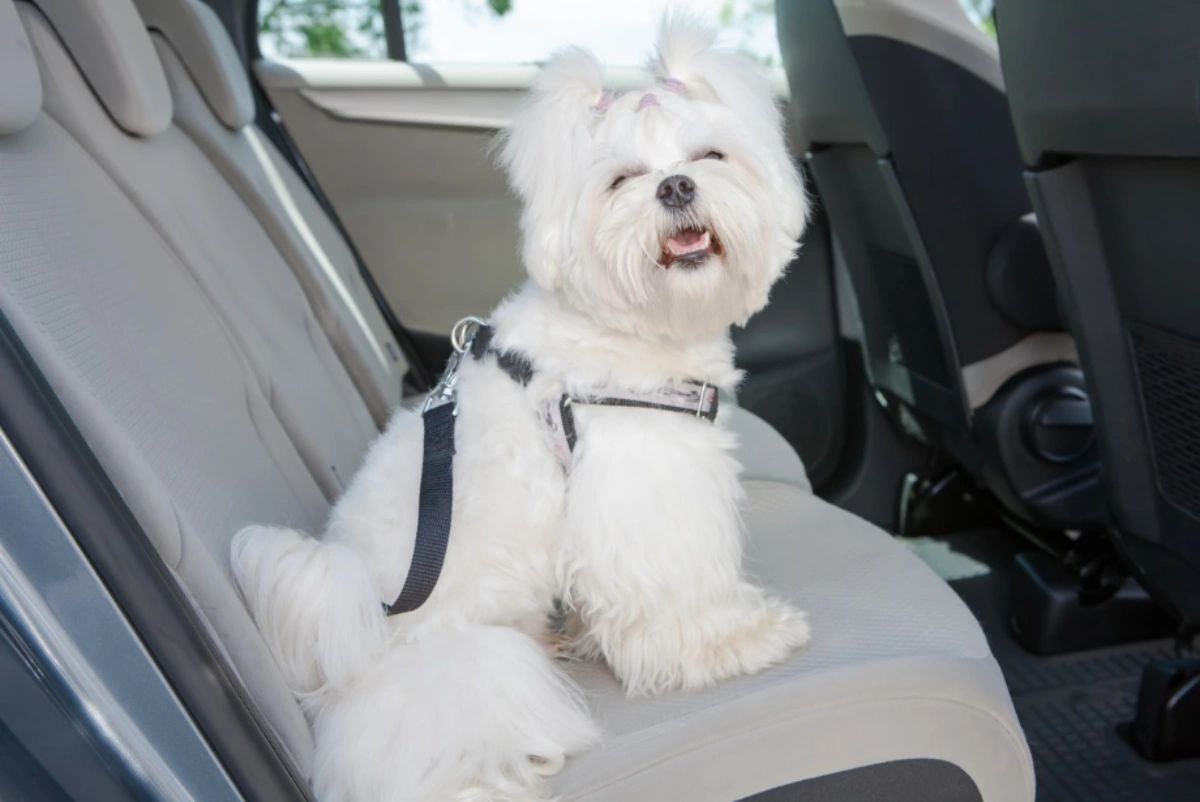
Pets are safest when they are secured during travel.
- Dogs should ride in a crate or with a pet seat belt harness.
- Cats, rabbits, guinea pigs, ferrets, reptiles, and birds should travel in a secure carrier.
- Small mammals and birds should be kept out of direct sunlight and drafts.
Never allow pets to roam freely in the vehicle. An unrestrained pet can become a dangerous projectile during a sudden stop or accident.
During summer travel:
- Never leave any pet in a parked vehicle
- Bring water and offer it often
- Avoid traveling during the hottest part of the day
- Keep carriers out of direct sun
- Watch for signs of overheating
The American Veterinary Medical Association notes that the temperature inside a car can rise nearly 20 degrees in just 10 minutes, even with a window cracked open.
This is especially important for rabbits, birds, pigs, and flat-faced breeds, which can overheat very quickly.
If Your Pet Is Flying
If you plan to fly with your pet, check the airline’s rules well in advance. Airlines often have specific requirements for carriers, health certificates, and the type of animal allowed.
Short-nosed dogs and cats, birds, rabbits, and some exotic pets may not travel safely by air. Ask your All Animal Veterinary Services veterinarian whether flying is a good option for your pet.
If you will be traveling with your pet in or out of the United States, be sure to review the Centers for Disease Control and Prevention requirements well in advance, as pets may need specific vaccinations, paperwork, or a health certificate before travel.
If Your Pet Will Be Boarded
Reserve your pet’s spot early, especially before Memorial Day and summer vacations.
Before boarding, make sure the facility knows:
- What species and breed your pet is
- Any medications or special diets
- Whether your pet has anxiety or special handling needs
- Whether your pet needs heat, humidity, special lighting, or a quiet environment
This is especially important for reptiles, birds, rabbits, guinea pigs, and other exotic pets.
Ask whether the boarding facility:
- Has experience with your type of pet
- Can give medications
- Can provide special housing or temperature control
- Has a veterinarian they contact in an emergency
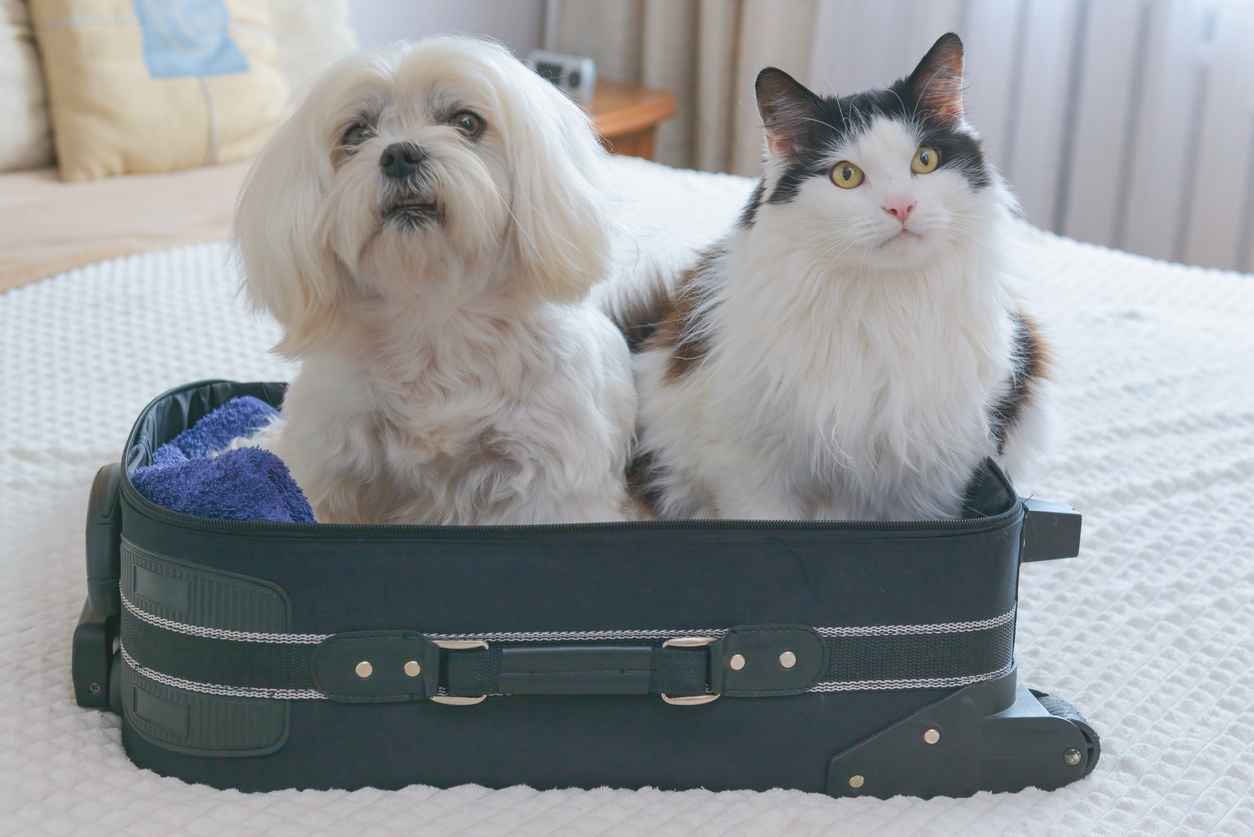
Pack a Travel or Boarding Bag
No matter where your pet will stay, pack:
- Food for the entire trip or stay plus extra
- Medications and supplements
- Bowls, leash, carrier, or crate
- Favorite toy, blanket, or familiar bedding
- Vaccine records and emergency contact numbers
- Written care instructions
For birds, reptiles, rabbits, and other exotic pets, also include anything needed to keep their habitat stable, such as heat packs, lighting, special bedding, or specific food.
Download Our Free Pet Travel Checklist
For your convenience, we created a Pet Travel Checklist to help you prepare before your trip. Download it and use it as a quick reminder to make sure you have everything your pet needs before travel day.
Download Our Pet Travel Checklist PDF
If Your Pet Is Staying with a Pet Sitter
If your pet is staying at home, leave written instructions for your pet sitter.
Include:
- Feeding instructions
- Medication instructions
- Your veterinarian’s name and phone number
- The nearest emergency veterinary hospital
- A backup contact person
- Any information about temperature, lighting, or habitat needs
For exotic pets, birds, reptiles, and pocket pets, be specific about cage cleaning, humidity, lighting, feeding schedules, and signs of illness.
You may also want to leave a list of foods that are unsafe for your pets.
Download Our Common Foods Toxic to Pets Checklist
Many everyday foods that seem harmless can be dangerous for dogs, cats, and other pets. To make it easier to remember the most common foods to avoid, we created a Common Foods Toxic to Pets checklist that you can print or keep handy for pet sitters, grandparents, or anyone caring for your animals.
Download Our Common Foods Toxic to Pets PDF
Update Identification and Microchip Information
Before you leave:
- Make sure collars and ID tags are current
- Update your pet’s microchip information
- Label carriers, cages, and trailers with your contact information
This is especially important when traveling with multiple pets or unusual species.
Make Summer Travel Easier for Every Member of Your Animal Family
A little preparation can make a big difference. Following a pet boarding and travel checklist can help keep your animals safe, healthy, and comfortable while you are away.
If your pets need exams, vaccines, health certificates, medication refills, or travel advice before summer, All Animal Veterinary Services is here to help.