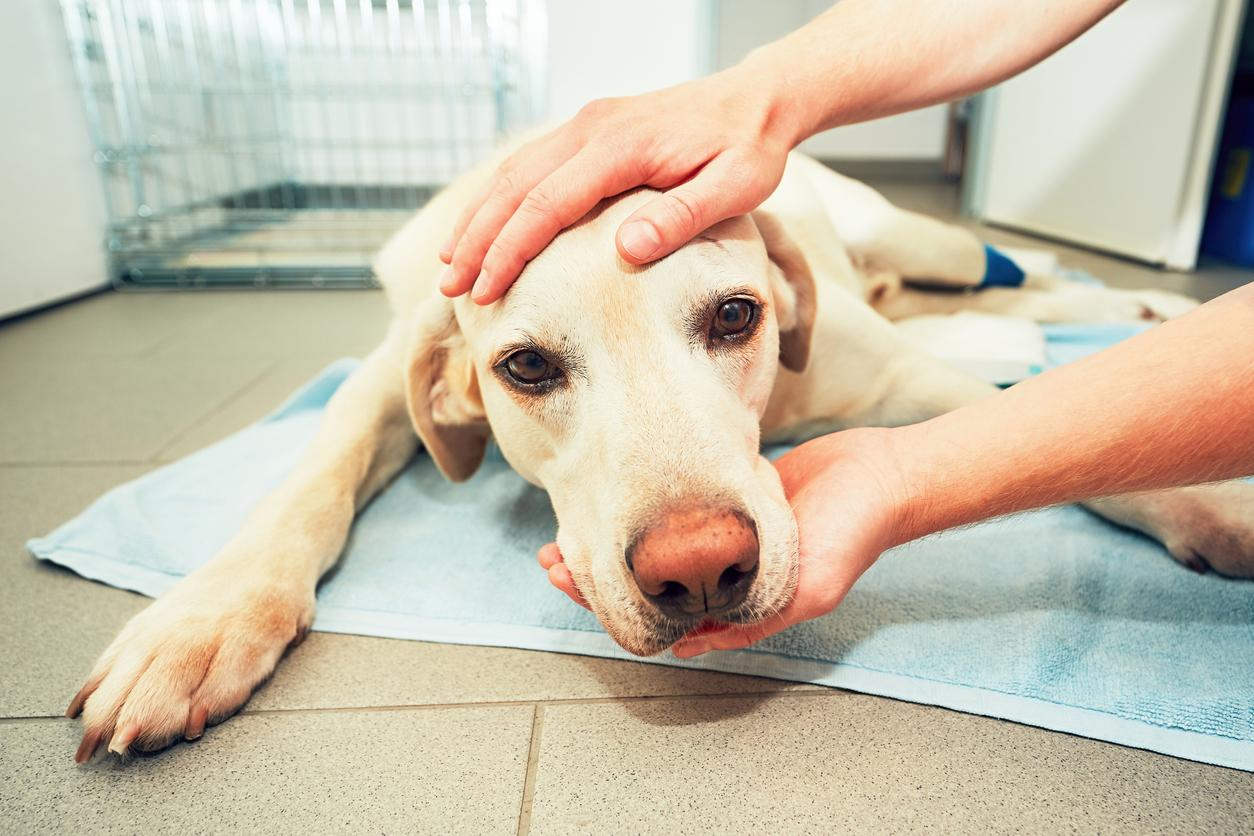
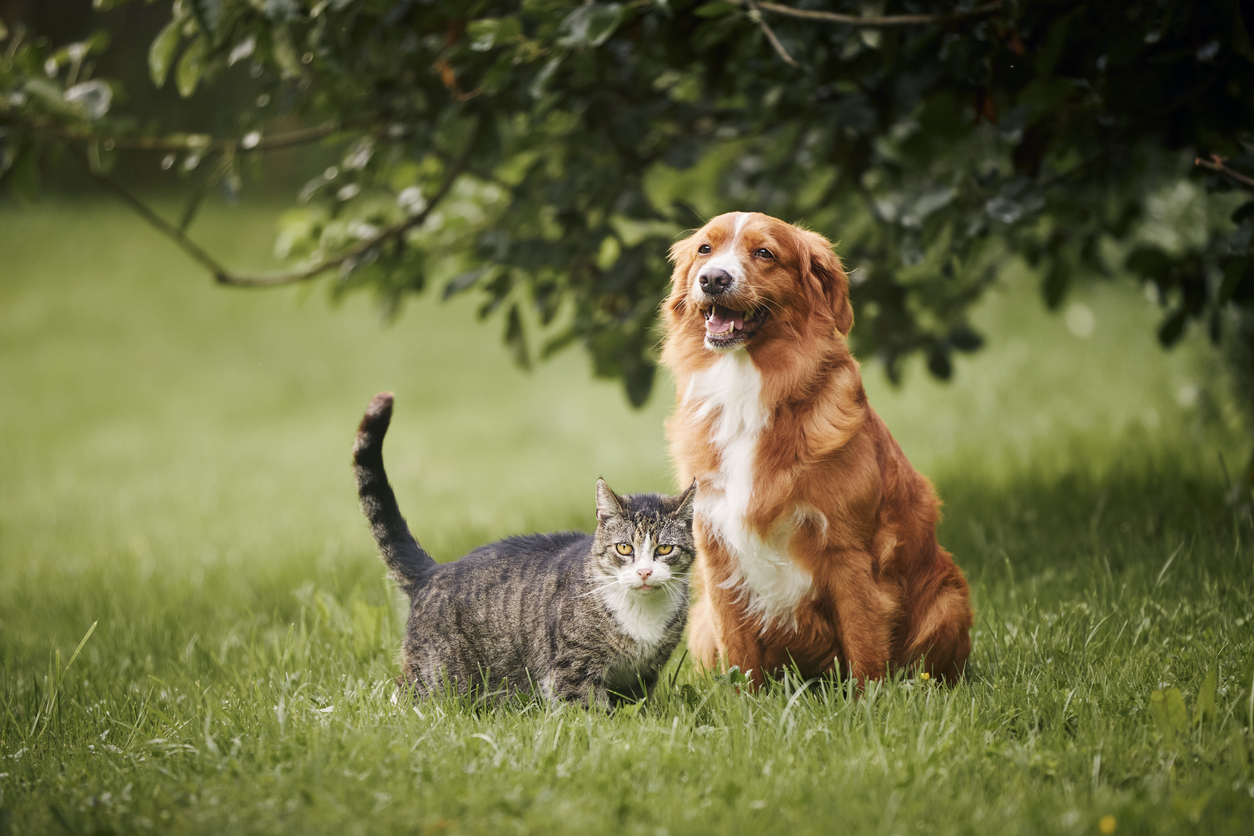
A rabies vaccine for dogs is one of the most important ways to help protect dogs from this fatal disease. While dogs are the animals most people associate with rabies vaccination, cats, ferrets, horses, and most livestock also have important vaccination recommendations or requirements.
At All Animals Veterinary Services, rabies prevention begins with vaccination. Whether you have a dog, cat, ferret, horse, or livestock, our team can help you develop a rabies vaccination schedule that meets your animal’s needs and complies with New York State requirements.
What Is Rabies?
Rabies is one of the few diseases that is almost always fatal once clinical signs develop. Because there is no effective treatment after clinical signs appear, prevention through routine vaccination is the best way to protect both animals and people. Rabies is a viral disease that attacks the brain and nervous system of mammals. It is commonly spread through the bite of an infected animal because the virus is present in saliva. Less commonly, rabies can spread if infected saliva comes into contact with the eyes, nose, mouth, or an open wound.
If your pet is bitten by or exposed to a potentially rabid animal, immediate veterinary care is essential. Early intervention may help prevent the disease from developing.
Why Rabies Vaccination Matters
Keeping your pet’s rabies vaccination current is important if they are ever bitten by or exposed to a potentially rabid animal. An animal’s vaccination status plays an important role in determining your veterinarian’s recommendations made after an exposure.
Rabies vaccination also helps protect public health by reducing the risk of the disease spreading to people and other animals. Keeping your pet’s rabies vaccination current also helps ensure compliance with New York State rabies vaccination requirements for dogs, cats, and domesticated ferrets.
Which Animals Need a Rabies Vaccine?
Rabies vaccination recommendations vary by species, but several animals routinely benefit from protection.
Rabies Vaccine for Dogs
A rabies vaccine for dogs is one of the most important vaccinations your pet will receive. Dogs should receive their first rabies vaccine at the age recommended by your veterinarian and required by New York State law. Booster vaccinations are necessary to maintain protection throughout your dog’s life.
Rabies Vaccine for Cats
Cats are also at risk of rabies if they are exposed to an infected animal. Vaccination helps protect your cat from this deadly disease and is required by New York law. Keeping your cat’s rabies vaccine current is an important part of routine preventive healthcare.
Rabies Vaccine for Ferrets
Like dogs and cats, domesticated ferrets are required by New York law to receive a rabies vaccine. Although ferrets are less common household pets, they can still be exposed to rabies through contact with infected wildlife. Keeping their vaccinations current helps protect both your pet and the people who handle them. (Note: Ferrets are not legal in New York City.)
Rabies Vaccine for Horses and Livestock

Rabies vaccination may also be recommended for horses and certain livestock, particularly those that spend time outdoors. Wildlife such as bats, raccoons, skunks, and foxes can enter pastures, barns, or other areas where these animals are housed, creating the potential for rabies exposure. Our veterinarians can help determine whether vaccination is appropriate based on your animals, their environment, and their level of risk.
What Animals Can Carry Rabies?
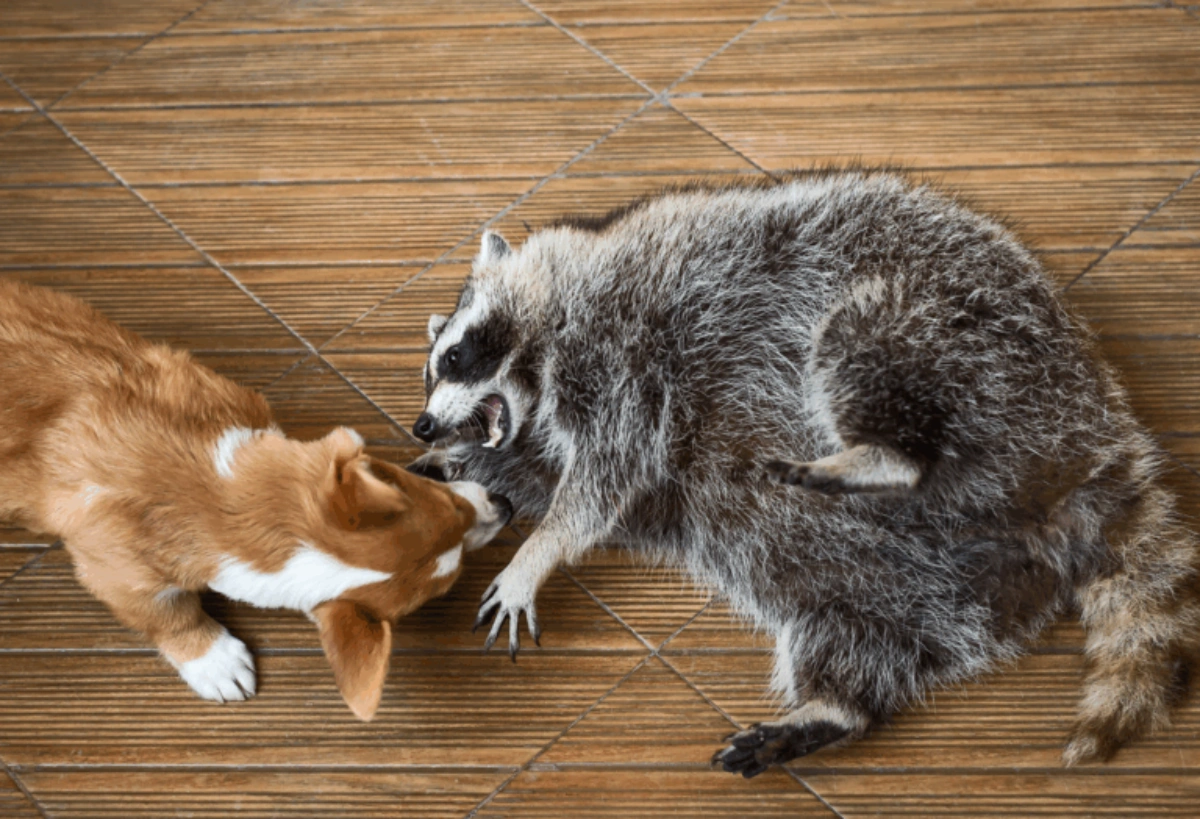
Any mammal can become infected with rabies including; bats, raccoons, skunks, foxes, coyotes, wolves, bears and deer.
Occasionally, unvaccinated domestic animals such as cats, dogs, goats, cattle, and horses can also become infected after contact with rabid wildlife.
Birds, reptiles, amphibians, and fish do not get rabies.
What Does New York Law Require?
New York State law requires dogs, cats, and domesticated ferrets to be vaccinated against rabies.
In general:
- The first rabies vaccine is administered at approximately 4 months of age.
- A booster vaccination is required within one year.
- Future boosters are given according to the vaccine used and your veterinarian’s recommendations, which may be every year or three years.
For more information about New York’s rabies vaccination requirements, visit the New York State Department of Health Rabies Information page.
What Should You Do If Your Pet Is Bitten by a Wild Animal?
If your pet has been bitten or has had contact with a bat or another wild animal:
- Keep yourself safe and avoid handling the wild animal whenever possible.
- Contact your local D.E.C. office as soon as possible to report the animal.
- Do not wait for signs of illness to appear. Update your pets Rabies booster within 48 hours of contact with wildlife or any questionable domestic animal. Even if they are up-to-date with their vaccine.
- Follow your veterinarian’s recommendations regarding observation or any other required steps.
Even vaccinated animals may need a booster following certain exposures, so prompt veterinary care is important.
How All Animals Veterinary Services Can Help
Whether you have a dog, cat, ferret, horse, or livestock, our team can help you develop a rabies vaccination schedule that meets your animal’s needs and complies with New York State requirements.
If your pet or livestock has been bitten by or exposed to wildlife or another animal that may have rabies, contact All Animals Veterinary Services immediately. We can evaluate the situation, recommend the appropriate next steps, and provide the care your animal needs.
Keeping your animals current on their rabies vaccinations protects them, helps protect your family, and supports the health of the entire community. If your animal is due for a rabies vaccine or you have questions about vaccination recommendations, contact All Animals Veterinary Services to schedule an appointment.
______________________________________________________________________________
Frequently Asked Questions About Rabies Vaccines
Can a vaccinated dog still get rabies?
Rabies vaccination is highly effective. Although no vaccine is 100% effective, vaccinated dogs are far less likely to develop rabies than unvaccinated dogs. If a vaccinated dog is exposed, your veterinarian will recommend a booster vaccination within 24 to 48 of possible exposure and a period of observation.
At what age should puppies and kittens receive a rabies vaccine?
In New York, puppies and kittens generally receive their first rabies vaccine at 12 weeks of age, followed by a booster within one year.
How often does my pet need a rabies vaccine?
That depends on your pet’s vaccination history. After the initial vaccination series, many animals receive boosters every one year to three years, provided you are not late on revaccinating. Your veterinarian will recommend the schedule that is appropriate for your pet.
What should I do if my pet is bitten by a wild animal?
Contact the local D.E.C. office to report the incident and All Animals Veterinary Services for vaccine booster. Do not wait for symptoms to appear. Prompt veterinary evaluation is essential to determine the safest course of action.