

Warm weather creates ideal conditions for parasites to thrive. While many parasites are present throughout the year, fleas, ticks, flies, mosquitoes, and intestinal parasites become much more active during the warmer months. They can affect many animals, including dogs, cats, horses, and livestock. Some parasites can also affect rabbits, ferrets, and other exotic pets, although prevention and treatment often differ by species.
Why Parasite Prevention Matters
Parasites are more than an inconvenience. They can spread disease, damage the skin and internal organs, reduce productivity in farm animals, and affect an animal’s overall health and quality of life. Some parasites cause obvious symptoms, while others may go unnoticed until an animal becomes seriously ill.
Fortunately, many parasite-related illnesses are preventable. Routine veterinary care, appropriate preventive products, and good animal care practices all play an important role in protecting the animals that depend on you. At All Animal Veterinary Services, we work with owners of small family pets and farm animals to develop parasite prevention plans based on each animal’s needs and lifestyle.
Common Parasites Found in the Hudson Valley
Whether you have small family pets or farm animals, these are some of the most common parasites you’re likely to encounter in the Hudson Valley.
Fleas
Fleas are one of the most common external parasites affecting dogs and cats. Besides causing constant scratching and skin irritation, fleas can trigger flea allergy dermatitis, transmit tapeworms, and contribute to anemia in young or heavily infested animals.
One reason flea infestations can be so frustrating is that you often see only a small percentage of the problem. Adult fleas only spend a small portion of their lives on your pet, after feeding they will jump off your pet into the environment to lay their eggs. Fleas, flea eggs, larvae, and pupae may be hiding in carpeting, furniture, bedding, or outdoor areas. By the time you notice your pet scratching, a flea infestation may already be established. That’s why effective flea control usually involves treating both the animal and its environment. Infestations take several months to effectively treat.
Ticks
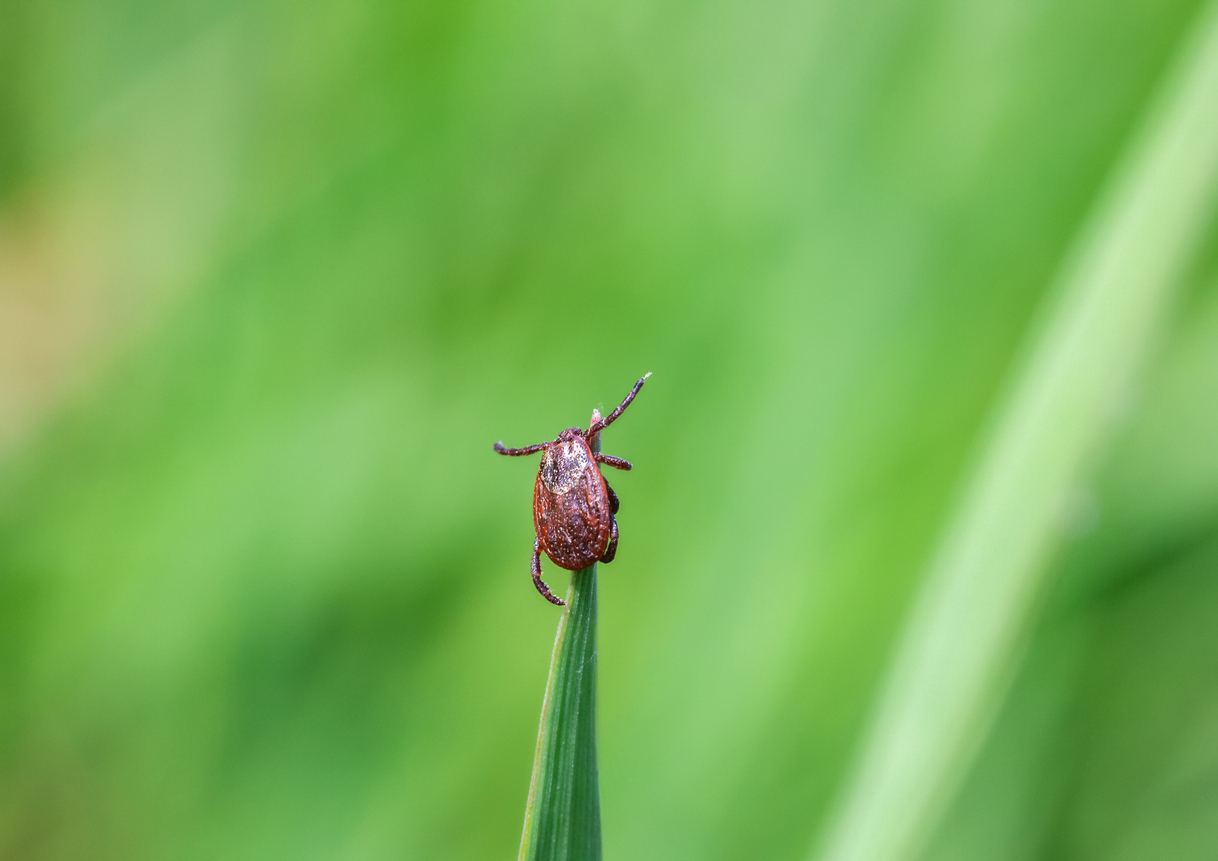
Ticks are a significant concern throughout New York, especially during spring, summer, and early fall. Blacklegged (deer) ticks are the primary carriers of Lyme disease in New York, while American dog ticks are also commonly found throughout the region. Lone star ticks are expanding their range into parts of New York, and the invasive Asian longhorned tick has also been identified in the Hudson Valley, where it poses an increasing concern for livestock.
Ticks can transmit diseases including Lyme disease, Anaplasmosis, Ehrlichiosis, Babesiosis. And RMSF. Fortunately, not every tick carries disease, but because it is impossible to tell by looking at a tick, prevention remains your best defense.
Early signs of Lyme disease in dogs may include fever, lethargy, swollen joints, lameness that shifts from one leg to another, and a reluctance to walk or play. If your pet develops any of these symptoms after a tick bite, contact All Animal Veterinary Services as soon as possible for an examination.
After spending time outdoors, check your animals carefully for ticks, paying close attention to the ears, neck, under collars, between the toes, and at the base of the tail. We can also recommend the most appropriate tick prevention products based on your animal’s age, lifestyle, and risk of exposure.
For more information about Lyme disease in dogs, including prevention and vaccination recommendations, visit Cornell University’s Lyme disease resource.
Mosquitoes
Mosquitoes are more than just a summertime nuisance. They are the only insects capable of transmitting heartworms to dogs through their bites. For horses, mosquitoes can also spread serious diseases such as West Nile virus and Eastern Equine Encephalitis (EEE).
Reducing standing water around your property can help decrease mosquito breeding areas, but mosquito control alone is not enough. Dogs should remain on year-round heartworm prevention, even after mosquito season appears to be over.
Flies
For horses and farm animals, flies are more than an annoyance. Horse flies, stable flies, horn flies, and face flies can cause painful bites, blood loss, stress, and reduced grazing. Face flies can also contribute to the spread of pinkeye in cattle.
Keeping barns and stalls clean, removing manure regularly, and using appropriate fly control measures can help reduce fly populations and keep animals more comfortable throughout the warmer months. If you’re unsure which fly control products are best for your animals, our team is happy to help.

Intestinal Parasites
Internal parasites such as roundworms, hookworms, whipworms, and tapeworms can affect many different species, including dogs, cats, horses, and farm animals. Because these parasites live inside the body, owners may not notice a problem until their animal begins losing weight, develops diarrhea, or shows other signs of illness.
Some animals carry intestinal parasites without showing obvious signs of illness. Left untreated, these parasites can damage the digestive system, rob animals of important nutrients, and spread to other animals. That’s why we recommend routine fecal examinations as part of your animal’s preventive care. These simple tests allow our team to identify parasite infections early, often before they cause serious health problems.
Signs Your Animal May Have Parasites
Different parasites cause different symptoms, but common warning signs include:
- Excessive scratching or chewing at the skin
- Hair loss or poor coat quality
- Fleas or ticks visible on the body
- Diarrhea or vomiting
- Weight loss
- Pale gums
- Reduced appetite
- Low energy
- Pot-bellied appearance in young animals
- Poor growth or reduced performance in farm animals
Many of these signs can also be be caused by other health conditions. If you notice any of these symptoms, schedule an appointment with All Animal Veterinary Services. We can determine whether parasites or another medical condition may be affecting your animal.
Steps for Effective Parasite Prevention
Successful parasite prevention combines routine veterinary care with the consistent use of preventive products and other measures that help reduce your animals’ exposure to parasites.
You can help protect your animals by:
- Using veterinarian-recommended flea, tick, and parasite preventives year-round.
- Checking pets for ticks after walks, hikes, or time outdoors.
- Keeping bedding, kennels, coops, and barns clean.
- Removing manure regularly to reduce fly breeding areas.
- Eliminating standing water whenever possible.
- Practicing good pasture management to reduce parasite exposure.
- Scheduling routine wellness examinations and fecal testing.
Every animal has different risk factors. At All Animal Veterinary Services, we tailor parasite prevention recommendations based on your animal’s species, age, lifestyle, and environment.
Protect Your Animals Throughout the Year
Although parasite activity increases during the warmer months, parasite prevention should continue throughout the year. Staying ahead of fleas, ticks, mosquitoes, flies, and intestinal parasites is far easier than treating the diseases and infestations they can cause.
Parasites may be a fact of life, but many of the problems they cause can be prevented. Working with All Animal Veterinary Services to develop a parasite prevention plan is one of the best ways to protect the health of your small family pets and farm animals throughout the year.
If you have questions about parasite prevention or would like to schedule a wellness examination, contact All Animal Veterinary Services. We are here to help keep your animals healthy every season.
Frequently Asked Questions
Can humans get fleas from their pets?
Yes. Fleas can bite people, although humans are not their preferred host. If your pet has fleas, treating both your pet and the environment is important to eliminate the infestation.
Do all ticks carry Lyme disease?
No. Not every tick carries Lyme disease, and not every tick species is capable of transmitting it. However, because blacklegged (deer) ticks are common throughout New York, it is important to use tick prevention consistently and check animals after spending time outdoors.
Do indoor pets still need parasite prevention?
Yes. Fleas can be carried indoors on people or other animals, and mosquitoes can enter homes through open doors and windows. Indoor pets should still receive appropriate parasite prevention based on their lifestyle and risk factors. Our team can help you determine the best preventive plan for your pets or livestock.